Opening doors for Immigrants
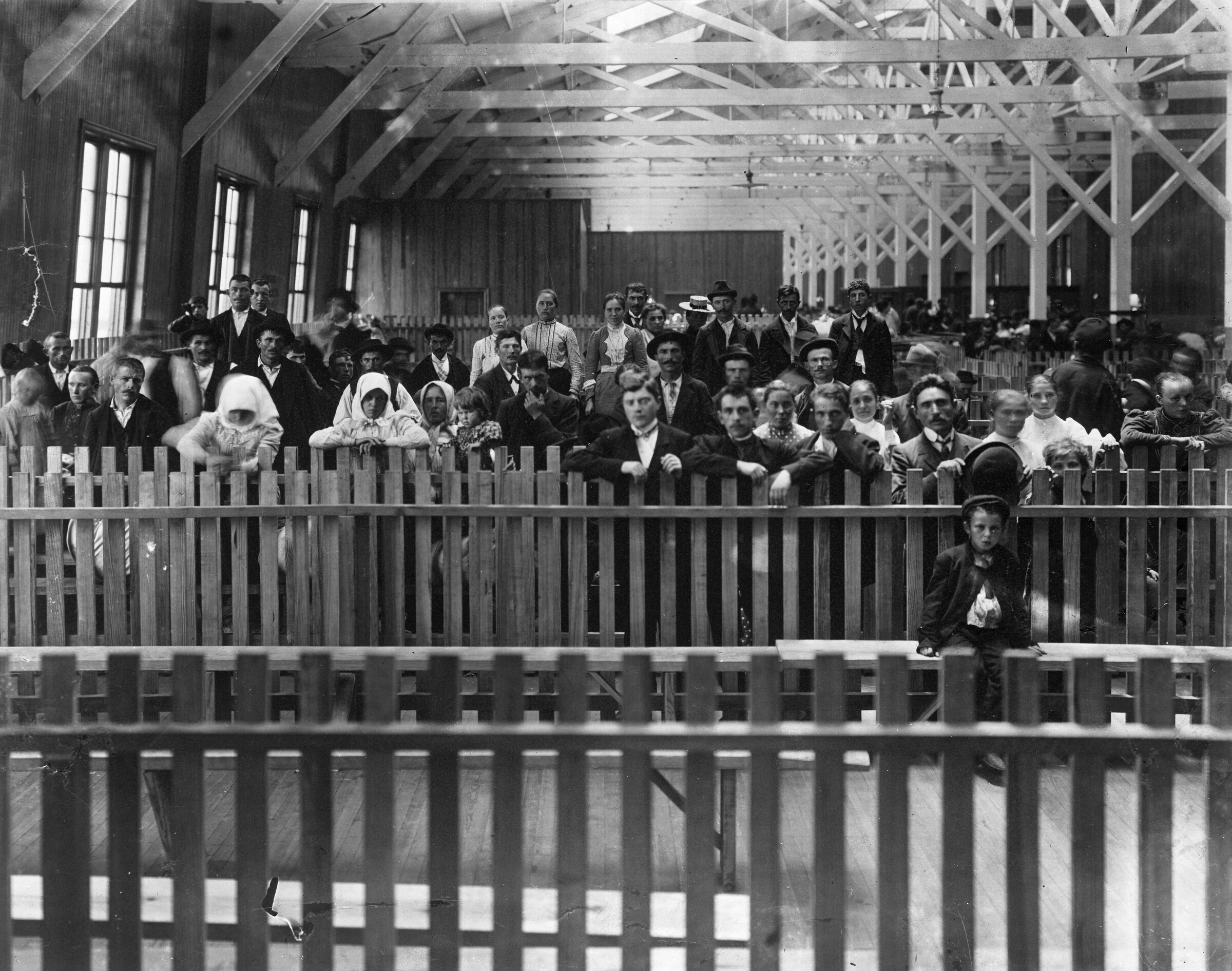
Aaron and Lillie Straus came of age as waves of immigrants were arriving in the U.S., shaping Baltimore and its future. Some of the couple’s earliest giving supported Jewish refugees escaping brutal conditions in Eastern Europe. Their support started at the Port of Baltimore and extended across the city through comprehensive services Associated Jewish Charities offered newcomers. This collective compassion provided clear evidence that thorough resettlement efforts can lay positive pathways for newcomers and for their chosen city.
Across decades, the Foundation continued to apply this approach, striving to make Baltimore a more welcoming place for all, as new waves of immigrants and refugees arrived from around the world.



Opening doors for Immigrants
Aaron and Lillie Straus came of age as waves of immigrants were arriving in the U.S., shaping Baltimore and its future. Some of the couple’s earliest giving supported Jewish refugees escaping brutal conditions in Eastern Europe. Their support started at the Port of Baltimore and extended across the city through comprehensive services Associated Jewish Charities offered newcomers. This collective compassion provided clear evidence that thorough resettlement efforts can lay positive pathways for newcomers and for their chosen city.
Across decades, the Foundation continued to apply this approach, striving to make Baltimore a more welcoming place for all, as new waves of immigrants and refugees arrived from around the world.
Opening doors for Immigrants
Aaron and Lillie Straus came of age as waves of immigrants were arriving in the U.S., shaping Baltimore and its future. Some of the couple’s earliest giving supported Jewish refugees escaping brutal conditions in Eastern Europe. Their support started at the Port of Baltimore and extended across the city through comprehensive services Associated Jewish Charities offered newcomers. This collective compassion provided clear evidence that thorough resettlement efforts can lay positive pathways for newcomers and for their chosen city.
Across decades, the Foundation continued to apply this approach, striving to make Baltimore a more welcoming place for all, as new waves of immigrants and refugees arrived from around the world.
Broader Context
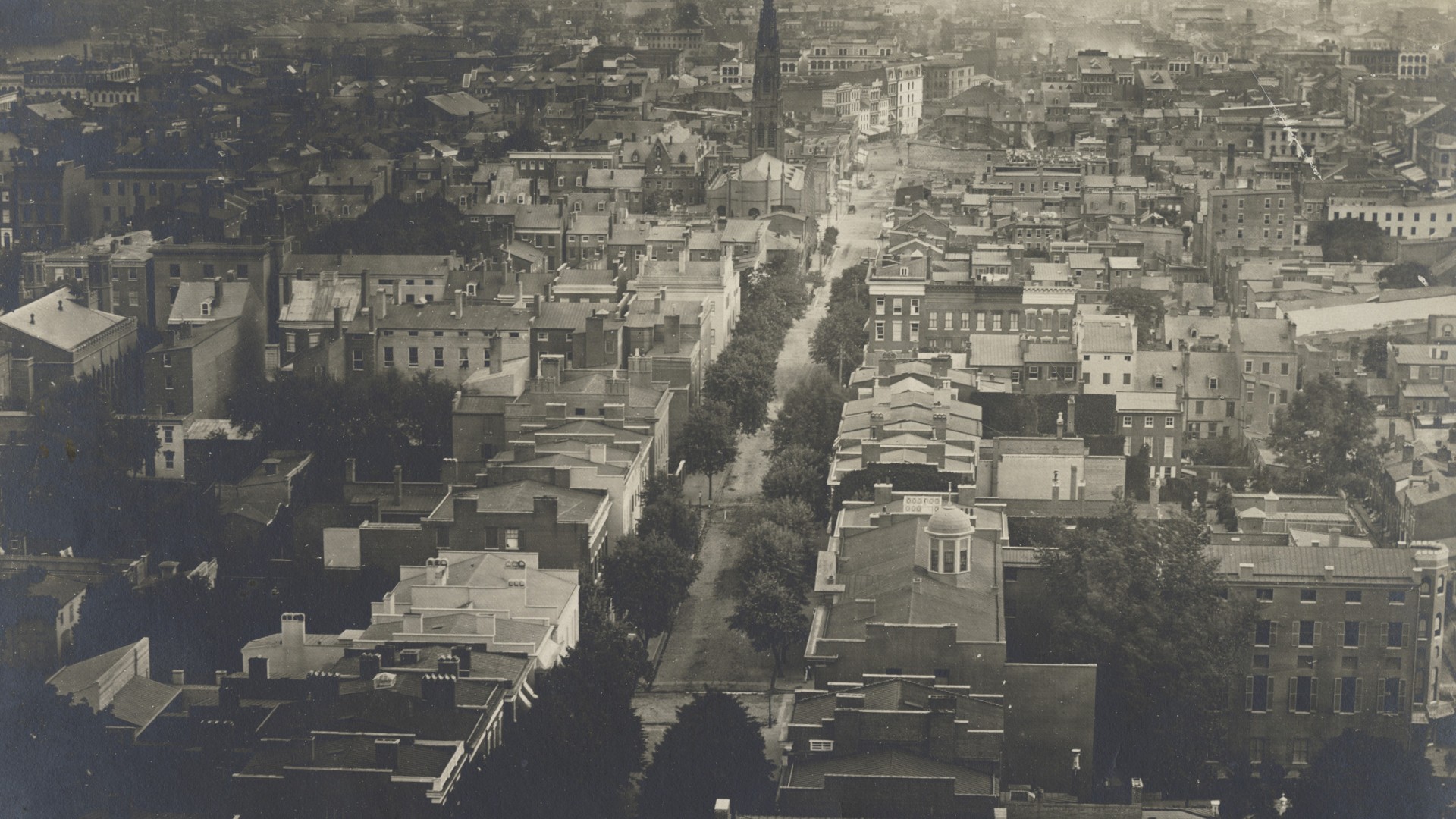
Between 1868 and 1914 alone, 1.2 million European immigrants entered the U.S. through Baltimore. The Strauses supported the new arrivals, including through the outreach of Jewish social service organizations.
"You shall treat the stranger who sojourns with you as the native among you, and you shall love him as yourself, for you were strangers in the land of Egypt."
— Leviticus 19:34
Broader Context
Between 1868 and 1914 alone, 1.2 million European immigrants entered the U.S. through Baltimore. The Strauses supported the new arrivals, including through the outreach of Jewish social service organizations.
"You shall treat the stranger who sojourns with you as the native among you, and you shall love him as yourself, for you were strangers in the land of Egypt."
— Leviticus 19:34
Broader Context
Between 1868 and 1914 alone, 1.2 million European immigrants entered the U.S. through Baltimore. The Strauses supported the new arrivals, including through the outreach of Jewish social service organizations.
"You shall treat the stranger who sojourns with you as the native among you, and you shall love him as yourself, for you were strangers in the land of Egypt."
— Leviticus 19:34
1922
The Strauses donated $10,000 to the American Jewish Relief Campaign after hearing of the atrocities of pogroms in Eastern Europe.
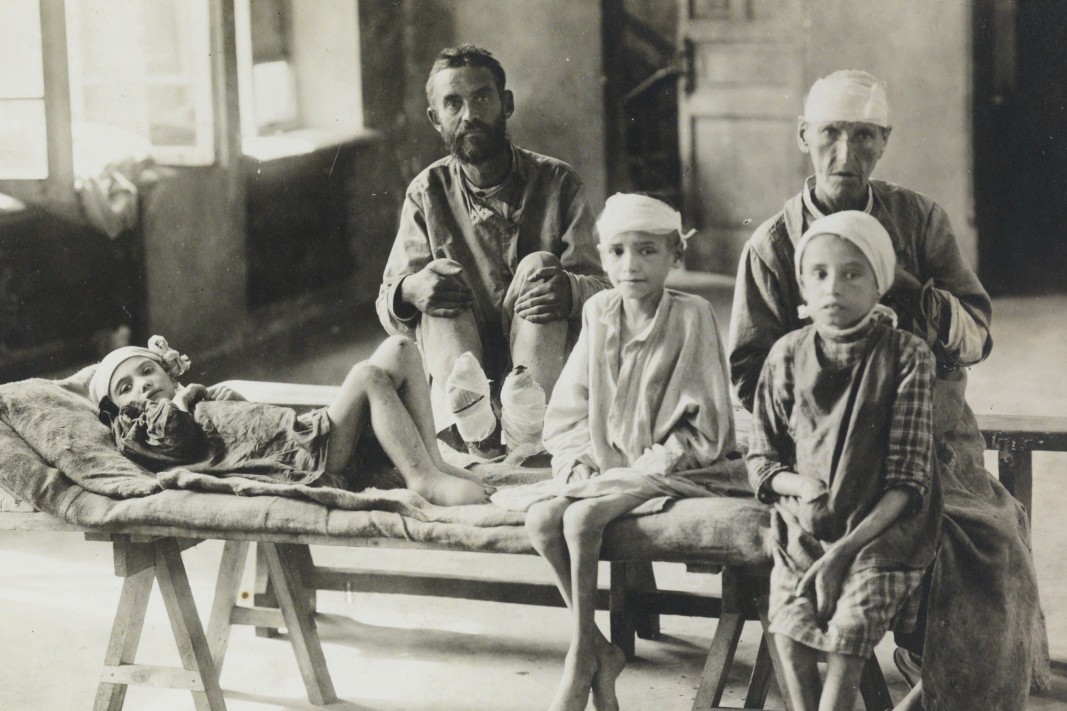
The National Library of Israel
1922
The Strauses donated $10,000 to the American Jewish Relief Campaign after hearing of the atrocities of pogroms in Eastern Europe.
The National Library of Israel
1922
The Strauses donated $10,000 to the American Jewish Relief Campaign after hearing of the atrocities of pogroms in Eastern Europe.
The National Library of Israel
1922
A comprehensive approach to welcoming newcomers.
Many of the Strauses’ most significant efforts responded to the needs of Jewish immigrants and refugees as they arrived in Baltimore. Camp Louise and Camp Airy (founded in 1922 and 1924) offered an idyllic summer escape, first to women who had just one week off each year and then to their children. The Central Scholarship Bureau (founded in 1924) opened opportunities to families whose future in this country would be determined by their children’s education. And Associated Jewish Charities (formed in 1920) mobilized a powerful, compassionate, community-driven response that helped shape Baltimore’s future.
How the Strauses and their contemporaries wrapped their arms around waves of Jewish immigrants provided an irrefutable example of positive resettlement, as waves of immigrants made their lives in Baltimore, strengthened our city and shaped the Foundation’s work across the last century.
1922
A comprehensive approach to welcoming newcomers.
Many of the Strauses’ most significant efforts responded to the needs of Jewish immigrants and refugees as they arrived in Baltimore. Camp Louise and Camp Airy (founded in 1922 and 1924) offered an idyllic summer escape, first to women who had just one week off each year and then to their children. The Central Scholarship Bureau (founded in 1924) opened opportunities to families whose future in this country would be determined by their children’s education. And Associated Jewish Charities (formed in 1920) mobilized a powerful, compassionate, community-driven response that helped shape Baltimore’s future.
How the Strauses and their contemporaries wrapped their arms around waves of Jewish immigrants provided an irrefutable example of positive resettlement, as waves of immigrants made their lives in Baltimore, strengthened our city and shaped the Foundation’s work across the last century.
1922
A comprehensive approach to welcoming newcomers.
Many of the Strauses’ most significant efforts responded to the needs of Jewish immigrants and refugees as they arrived in Baltimore. Camp Louise and Camp Airy (founded in 1922 and 1924) offered an idyllic summer escape, first to women who had just one week off each year and then to their children. The Central Scholarship Bureau (founded in 1924) opened opportunities to families whose future in this country would be determined by their children’s education. And Associated Jewish Charities (formed in 1920) mobilized a powerful, compassionate, community-driven response that helped shape Baltimore’s future.
How the Strauses and their contemporaries wrapped their arms around waves of Jewish immigrants provided an irrefutable example of positive resettlement, as waves of immigrants made their lives in Baltimore, strengthened our city and shaped the Foundation’s work across the last century.
1984
The Straus Foundation continued supporting Jewish populations fleeing from conflict, persecution and destitution.
This included joining global campaigns to airlift Ethiopian Jews from refugee camps in 1984, and resettle Jewish immigrants who escaped the Soviet Union in 1990 before its collapse.
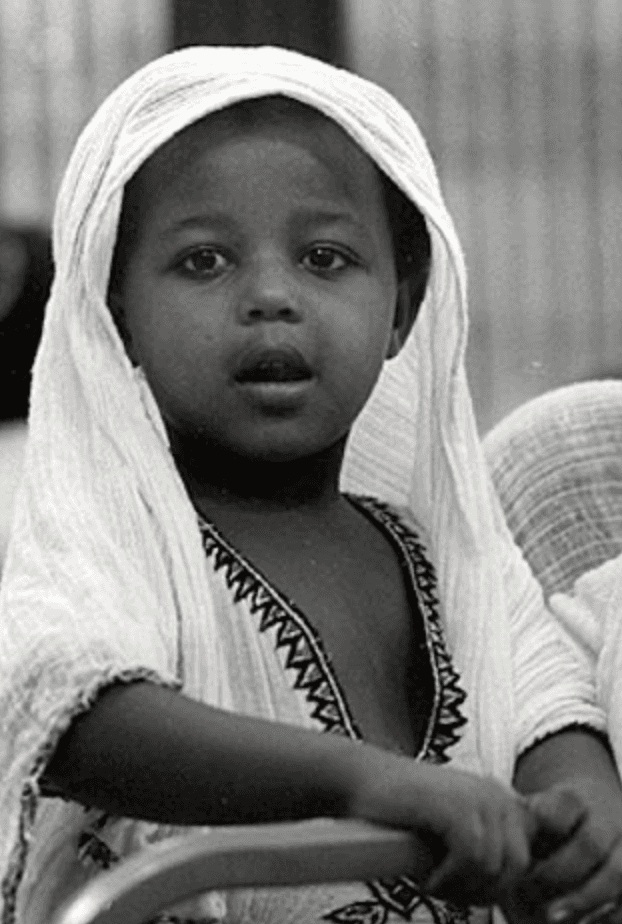
Doron Bacher, Israel. ©The Oster Visual Documentation Center, ANU – Museum of the Jewish People
1984
The Straus Foundation continued supporting Jewish populations fleeing from conflict, persecution and destitution.
This included joining global campaigns to airlift Ethiopian Jews from refugee camps in 1984, and resettle Jewish immigrants who escaped the Soviet Union in 1990 before its collapse.
Doron Bacher, Israel. ©The Oster Visual Documentation Center, ANU – Museum of the Jewish People
1984
The Straus Foundation continued supporting Jewish populations fleeing from conflict, persecution and destitution.
This included joining global campaigns to airlift Ethiopian Jews from refugee camps in 1984, and resettle Jewish immigrants who escaped the Soviet Union in 1990 before its collapse.
Doron Bacher, Israel. ©The Oster Visual Documentation Center, ANU – Museum of the Jewish People
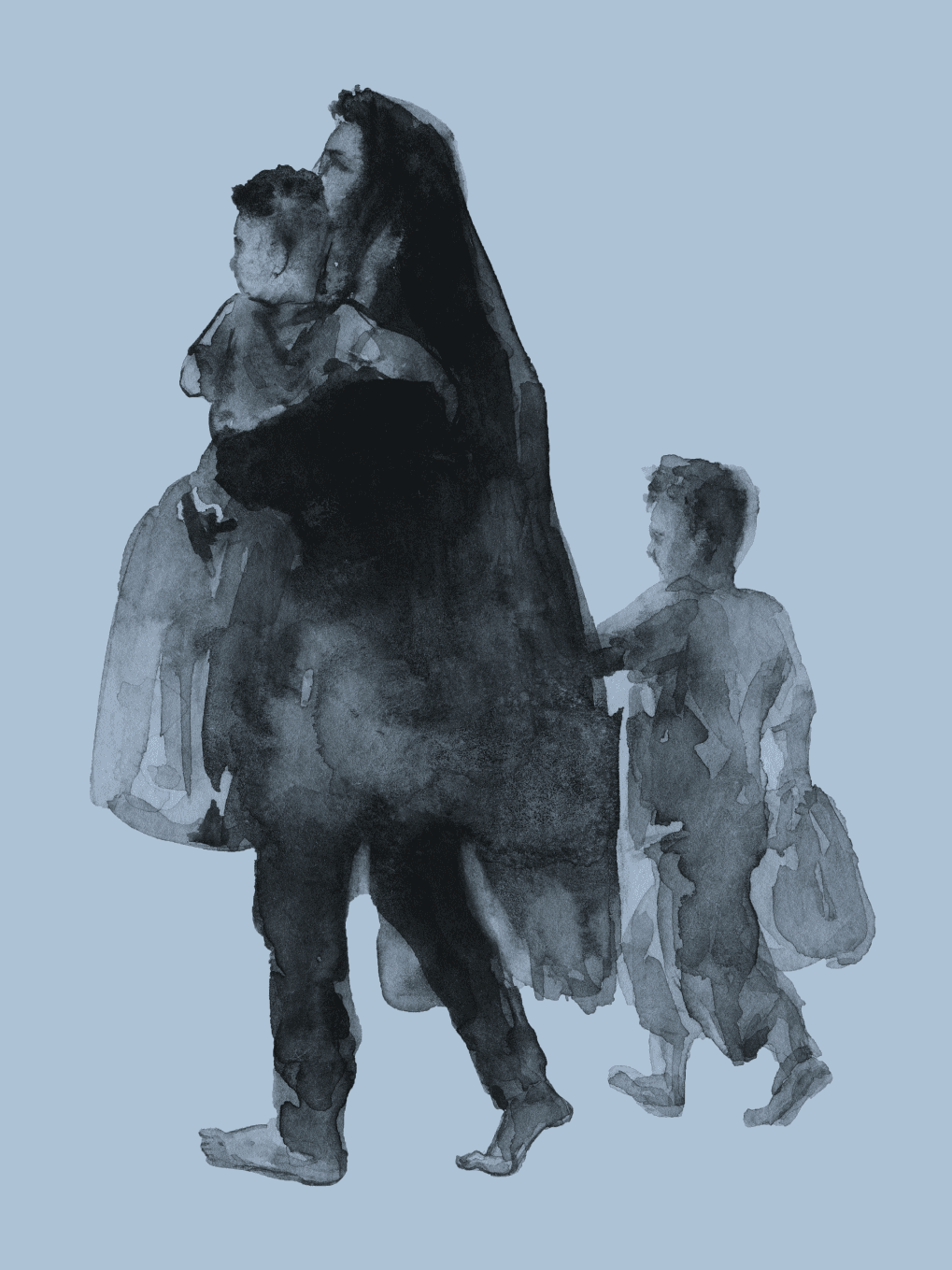
2012
The Foundation helped The Tahirih Justice Center, which offers legal services to immigrant women and girl survivors of gender-based violence, provide social services, too.
It was clear that families needed more social support while waiting for their cases to be settled. Those services remain a core part of the center’s offerings today, and the Foundation continues supporting the work.
2012
The Foundation helped The Tahirih Justice Center, which offers legal services to immigrant women and girl survivors of gender-based violence, provide social services, too.
It was clear that families needed more social support while waiting for their cases to be settled. Those services remain a core part of the center’s offerings today, and the Foundation continues supporting the work.
2012
The Foundation helped The Tahirih Justice Center, which offers legal services to immigrant women and girl survivors of gender-based violence, provide social services, too.
It was clear that families needed more social support while waiting for their cases to be settled. Those services remain a core part of the center’s offerings today, and the Foundation continues supporting the work.
1985
Deep partnership with Centro SOL
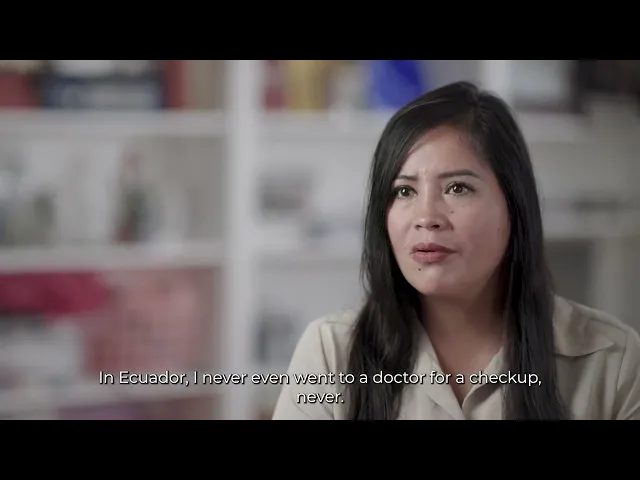
Centro SOL launched at Johns Hopkins Bayview Medical Center to respond to the health care needs of Baltimore’s growing population of Latino immigrants and refugees, encouraging greater cultural responsiveness within the hospital.
The Foundation was there from the beginning through a five-year grant matched by the hospital. Over the years, the Foundation supported a variety of needs, including a liaison to develop community trust and a deeper understanding of local needs, an information campaign about shifting national policies, an adult mental health curriculum, stop-gap funding to accommodate changing policies and more.
$2.2 million—total given to Centro SOL since 2013 to address challenges affecting equity in health and opportunities.
2014
In 2014, immigrants represented just over 13% of our national population—and over 20% of our entrepreneurs.
The Foundation supported the U.S. Hispanic Youth Entrepreneur Education program to provide internships for young people at Bayview Medical Center. Four years later, we extended that support through the Latino Economic Development Center, which offers small business services in Baltimore City, with a focus on the Highlandtown neighborhood. These efforts helped foster a growing and vital labor force.
% growth
in Maryland’s foreign-born labor force from 2016 to 2022, compared with 0% growth in the U.S. born labor force, according to a 2024 report from the Maryland Comptroller.
1992
In 2014, immigrants represented just over 13% of our national population—and over 20% of our entrepreneurs.
The Foundation supported the U.S. Hispanic Youth Entrepreneur Education program to provide internships for young people at Bayview Medical Center. Four years later, we extended that support through the Latino Economic Development Center, which offers small business services in Baltimore City, with a focus on the Highlandtown neighborhood. These efforts helped foster a growing and vital labor force.
% growth
in Maryland’s foreign-born labor force from 2016 to 2022, compared with 0% growth in the U.S. born labor force, according to a 2024 report from the Maryland Comptroller.
1992
In 2014, immigrants represented just over 13% of our national population—and over 20% of our entrepreneurs.
The Foundation supported the U.S. Hispanic Youth Entrepreneur Education program to provide internships for young people at Bayview Medical Center. Four years later, we extended that support through the Latino Economic Development Center, which offers small business services in Baltimore City, with a focus on the Highlandtown neighborhood. These efforts helped foster a growing and vital labor force.
% growth
in Maryland’s foreign-born labor force from 2016 to 2022, compared with 0% growth in the U.S. born labor force, according to a 2024 report from the Maryland Comptroller.
2014
Extending the partnership.
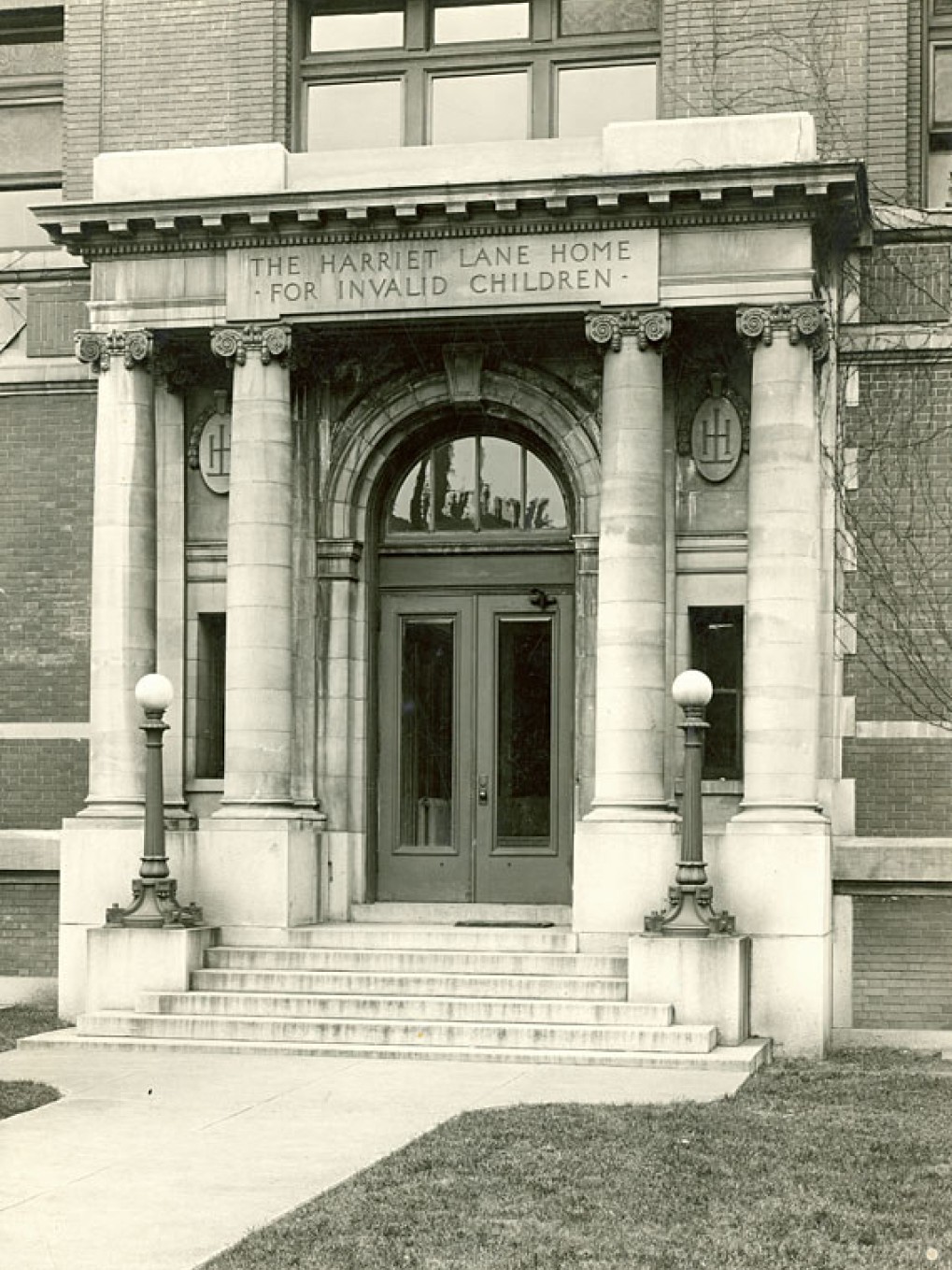
Hopkins Medical Archives
The Foundation’s support for Bayview’s Children’s Medical Practice helped replicate the integration of pediatric and mental health care available at the Harriet Lane clinic, purchase contraception for uninsurable women and move services to Yard 56.
2014
Providing more when more is needed.
In 2014, the Foundation helped Behavioral Health Systems Baltimore develop mental health support for unaccompanied minors. Three years later, we began supporting Intercultural Counseling Connection, providing individual and group therapy—including through Mother&Baby groups—to asylum seekers, refugees and other forced migrants in the Baltimore area.

2014
Providing more when more is needed.
In 2014, the Foundation helped Behavioral Health Systems Baltimore develop mental health support for unaccompanied minors. Three years later, we began supporting Intercultural Counseling Connection, providing individual and group therapy—including through Mother&Baby groups—to asylum seekers, refugees and other forced migrants in the Baltimore area.
2014
Providing more when more is needed.
In 2014, the Foundation helped Behavioral Health Systems Baltimore develop mental health support for unaccompanied minors. Three years later, we began supporting Intercultural Counseling Connection, providing individual and group therapy—including through Mother&Baby groups—to asylum seekers, refugees and other forced migrants in the Baltimore area.
2018
When the Mayor’s Office of Immigration Affairs wanted to improve language access across city agencies, the Foundation helped pay for a Baltimore Corps fellow to undertake this work.
This grant advanced earlier efforts to support language access at Bayview Medical Center and helped lead, in 2024, to Baltimore legislation requiring language access at city agencies.
2018
When the Mayor’s Office of Immigration Affairs wanted to improve language access across city agencies, the Foundation helped pay for a Baltimore Corps fellow to undertake this work.
This grant advanced earlier efforts to support language access at Bayview Medical Center and helped lead, in 2024, to Baltimore legislation requiring language access at city agencies.
2018
When the Mayor’s Office of Immigration Affairs wanted to improve language access across city agencies, the Foundation helped pay for a Baltimore Corps fellow to undertake this work.
This grant advanced earlier efforts to support language access at Bayview Medical Center and helped lead, in 2024, to Baltimore legislation requiring language access at city agencies.
2018
When the Mayor’s Office of Immigration Affairs wanted to improve language access across city agencies, the Foundation helped pay for a Baltimore Corps fellow to undertake this work.
This grant advanced earlier efforts to support language access at Bayview Medical Center and helped lead, in 2024, to Baltimore legislation requiring language access at city agencies.
The Baltimore Immigrant Community Fund
2020
1992
At the start of the COVID-19 pandemic, inequitable federal policies landed, directly and punishingly, on the immigrant community. Within four months, the Straus Foundation—with the Blaustein Philanthropic Group and the Mayor’s Office of Immigrant Affairs (MIMA)—responded by activating a $2 million cash assistance fund.
The Baltimore Immigrant Community Fund was aimed at immigrants who had no access to unemployment insurance, Paycheck Protection Program loans or other supports. With minimal leftover funds, MIMA’s leader also supported community based organizations working to ensure immigrants accessed the limited public benefits available to them.
$M
$M
$M
raised by Baltimore City and 19 foundations
3,500 immigrant households provided with direct assistance and case-management support
The fast and agile response also motivated the local philanthropic community to come together. A year later, a growing coalition of public- and private-sector actors launched phase II of this work—which continues today as federal policies target and thwart immigrant families.
2022
When the HEAL Refugee Health & Asylum Collaborative launched, it offered a new way to respond to the complex and varied needs of survivors of torture and trauma seeking refuge in the U.S.
Bringing together the strengths of Johns Hopkins University, the Esperanza Center, Asylee Women’s Enterprise (AWE), Intercultural Counseling Connection (ICC), and Loyola University, HEAL provided responsive medical care and a range of vital services, including case management, psychosocial programming, forensic evaluations, and more. The Foundation’s early—and continuing—investments helped jumpstart HEAL’s work and included administrative support for HEAL and its partners.
The Foundation also gave to AWE directly, first to expand trauma-informed case management services and, two years later, to bolster operations.
2022
When the HEAL Refugee Health & Asylum Collaborative launched, it offered a new way to respond to the complex and varied needs of survivors of torture and trauma seeking refuge in the U.S.
Bringing together the strengths of Johns Hopkins University, the Esperanza Center, Asylee Women’s Enterprise (AWE), Intercultural Counseling Connection (ICC), and Loyola University, HEAL provided responsive medical care and a range of vital services, including case management, psychosocial programming, forensic evaluations, and more. The Foundation’s early—and continuing—investments helped jumpstart HEAL’s work and included administrative support for HEAL and its partners.
The Foundation also gave to AWE directly, first to expand trauma-informed case management services and, two years later, to bolster operations.
2022
When the HEAL Refugee Health & Asylum Collaborative launched, it offered a new way to respond to the complex and varied needs of survivors of torture and trauma seeking refuge in the U.S.
Bringing together the strengths of Johns Hopkins University, the Esperanza Center, Asylee Women’s Enterprise (AWE), Intercultural Counseling Connection (ICC), and Loyola University, HEAL provided responsive medical care and a range of vital services, including case management, psychosocial programming, forensic evaluations, and more. The Foundation’s early—and continuing—investments helped jumpstart HEAL’s work and included administrative support for HEAL and its partners.
The Foundation also gave to AWE directly, first to expand trauma-informed case management services and, two years later, to bolster operations.
2022
While much of the Foundation’s support for immigrants and refugees focused on health and basic needs, we also started shoring up educational and recreational opportunities, especially tailored to young people.
While much of the Foundation’s support for immigrants and refugees focused on health and basic needs, we also started shoring up educational and recreational opportunities, especially tailored to young people.
Through Adelante Latina (now part of CollegeBound), we helped provide academic preparation and college counseling to Latina high school students in Baltimore. Through Soccer Without Borders, we helped refugee and immigrant youth feel safe and seen, on and off the field. And through Next Generation Language Access, we helped train high schoolers to serve as interpreters, building professional skills that also fill acute community needs.

2024
When an approach to a complex challenge works in another corner of the country, philanthropy can help bring it to Baltimore. That was the genesis of Terra Firma.
With the Blaustein Philanthropic Group, we funded a replication of a Bronx, N.Y.-based model that helps pro bono legal teams work alongside health care professionals to help newly arrived immigrants and refugees access the wide range of services needed to thrive. In Baltimore, this now includes a partnership between Centro SOL and the Esperanza Center, working to improve medical, mental health and legal outcomes.

2024
When an approach to a complex challenge works in another corner of the country, philanthropy can help bring it to Baltimore. That was the genesis of Terra Firma.
With the Blaustein Philanthropic Group, we funded a replication of a Bronx, N.Y.-based model that helps pro bono legal teams work alongside health care professionals to help newly arrived immigrants and refugees access the wide range of services needed to thrive. In Baltimore, this now includes a partnership between Centro SOL and the Esperanza Center, working to improve medical, mental health and legal outcomes.
2024
When an approach to a complex challenge works in another corner of the country, philanthropy can help bring it to Baltimore. That was the genesis of Terra Firma.
With the Blaustein Philanthropic Group, we funded a replication of a Bronx, N.Y.-based model that helps pro bono legal teams work alongside health care professionals to help newly arrived immigrants and refugees access the wide range of services needed to thrive. In Baltimore, this now includes a partnership between Centro SOL and the Esperanza Center, working to improve medical, mental health and legal outcomes.
2024
Through most of its history, the Straus Foundation focused on direct service grants supporting health, education and social services—not legal services. As the federal government began floating new policy proposals, however, legal support became increasingly urgent.

In 2024 and 2025, we supported bilingual lawyers at the Esperanza Center and Global Refuge, and offered emergency funding to the Amica Center for Immigrant Rights. We’re also working with MIMA and other partners to restore Safe City Baltimore, which helps educate and provide legal counsel to local immigrant communities, coordinating pro bono resources and striving to keep families together in our city.
2024
Through most of its history, the Straus Foundation focused on direct service grants supporting health, education and social services—not legal services. As the federal government began floating new policy proposals, however, legal support became increasingly urgent.
In 2024 and 2025, we supported bilingual lawyers at the Esperanza Center and Global Refuge, and offered emergency funding to the Amica Center for Immigrant Rights. We’re also working with MIMA and other partners to restore Safe City Baltimore, which helps educate and provide legal counsel to local immigrant communities, coordinating pro bono resources and striving to keep families together in our city.
2024
Through most of its history, the Straus Foundation focused on direct service grants supporting health, education and social services—not legal services. As the federal government began floating new policy proposals, however, legal support became increasingly urgent.
In 2024 and 2025, we supported bilingual lawyers at the Esperanza Center and Global Refuge, and offered emergency funding to the Amica Center for Immigrant Rights. We’re also working with MIMA and other partners to restore Safe City Baltimore, which helps educate and provide legal counsel to local immigrant communities, coordinating pro bono resources and striving to keep families together in our city.
NEXT UP
Building Out Entrepreneurial Ideas

NEXT UP
Building Out Entrepreneurial Ideas
NEXT UP
Building Out Entrepreneurial Ideas