Building out Entrepreneurial Ideas
The Straus Foundation was born from entrepreneurship. Aaron Straus had the vision, daring and talent to grow his local business into a national company—success that hinged on making big bets, taking risks on good ideas and surrounding himself with strong, talented leaders.
This approach is at the core of our work today, and clearly visible in support for social enterprises and the social sector. The Straus Foundation has provided initial investments, supported innovators who couldn’t access capital through traditional avenues, seeded ecosystems to fill gaps, identified and fostered local leaders with big ideas and helped influence how philanthropy works across Greater Baltimore.


Building out Entrepreneurial Ideas
The Straus Foundation was born from entrepreneurship. Aaron Straus had the vision, daring and talent to grow his local business into a national company—success that hinged on making big bets, taking risks on good ideas and surrounding himself with strong, talented leaders.
This approach is at the core of our work today, and clearly visible in support for social enterprises and the social sector. The Straus Foundation has provided initial investments, supported innovators who couldn’t access capital through traditional avenues, seeded ecosystems to fill gaps, identified and fostered local leaders with big ideas and helped influence how philanthropy works across Greater Baltimore.
Building out Entrepreneurial Ideas
The Straus Foundation was born from entrepreneurship. Aaron Straus had the vision, daring and talent to grow his local business into a national company—success that hinged on making big bets, taking risks on good ideas and surrounding himself with strong, talented leaders.
This approach is at the core of our work today, and clearly visible in support for social enterprises and the social sector. The Straus Foundation has provided initial investments, supported innovators who couldn’t access capital through traditional avenues, seeded ecosystems to fill gaps, identified and fostered local leaders with big ideas and helped influence how philanthropy works across Greater Baltimore.
1983
Changing the Landscape
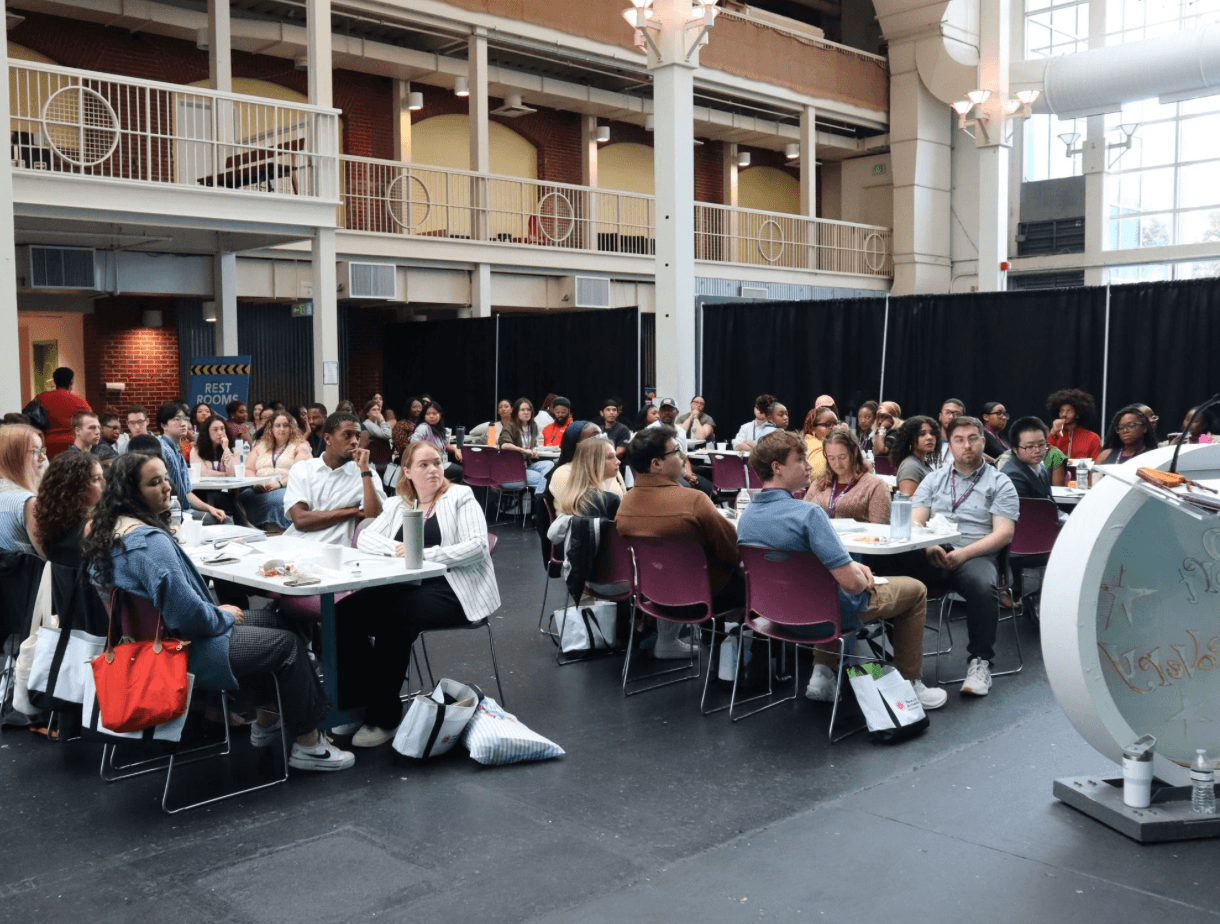
The Straus Foundation was one of seven founding members of the Association of Baltimore Area Grantmakers. Straus Executive Director Jan Rivitz served as the organization’s second board president, ushering in its first hire, its first strategic plan and its first office lease. Now known as Maryland Philanthropy Network, the organization supports around 110 members who together steward more than $9 billion in charitable assets.
Recognizing a need to build out the landscape of support for nonprofits, the Foundation also played a leadership role in the creation of the Maryland Association of Nonprofit Organizations, which launched in 1992 to offer advocacy, resources and support. The organization has continued to grow, and is now called Maryland Nonprofits.
members in Maryland Nonprofits today
1991
Community service—at scale
The Straus Foundation has long been an advocate for igniting change through service. In 1991, we supported the Maryland Student Service Alliance with a planning grant for a service corp; the following year, state legislation made Maryland the first in the country to make community service a requirement for high school graduation.
The Foundation also backed Sen. Barbara Mikulski’s National Community Service Act, which passed in 1990 and led to Americorps. These efforts were foundational to later work on Teach for America, BaltimoreCorps and Venture for America (described below).

1991
Community service—at scale
The Straus Foundation has long been an advocate for igniting change through service. In 1991, we supported the Maryland Student Service Alliance with a planning grant for a service corp; the following year, state legislation made Maryland the first in the country to make community service a requirement for high school graduation.
The Foundation also backed Sen. Barbara Mikulski’s National Community Service Act, which passed in 1990 and led to Americorps. These efforts were foundational to later work on Teach for America, BaltimoreCorps and Venture for America (described below).
1991
Community service—at scale
The Straus Foundation has long been an advocate for igniting change through service. In 1991, we supported the Maryland Student Service Alliance with a planning grant for a service corp; the following year, state legislation made Maryland the first in the country to make community service a requirement for high school graduation.
The Foundation also backed Sen. Barbara Mikulski’s National Community Service Act, which passed in 1990 and led to Americorps. These efforts were foundational to later work on Teach for America, BaltimoreCorps and Venture for America (described below).
1996
Innovation in the school system

The Baltimore New Schools Initiative opened the door to new educational options, alternatives to traditional public schools. The effort led to a state law in 2003 that allowed the creation of charter schools and more choice for local families. The Straus Foundation supported this enterprising effort from the beginning, and continues to back Baltimore charter schools.
1997
Converting movie magic into support for young people.
In 1984, two years after the release of Barry Levinson’s iconic movie Diner, the diner used in the film returned to Baltimore, located at the corner of Saratoga and Holliday streets. Local donations helped renovate it as a training center for entry-level restaurant jobs, though its first few years were financially rocky. Then, the Chesapeake Center for Youth Development stepped in to launch a training program for young people involved with the justice system at the newly named The Hollywood Diner. The Foundation supported the approach, which aligned with national initiatives considering how nonprofits could embed an enterprise in their work, while diversifying revenue sources.

1997
Converting movie magic into support for young people.
In 1984, two years after the release of Barry Levinson’s iconic movie Diner, the diner used in the film returned to Baltimore, located at the corner of Saratoga and Holliday streets. Local donations helped renovate it as a training center for entry-level restaurant jobs, though its first few years were financially rocky. Then, the Chesapeake Center for Youth Development stepped in to launch a training program for young people involved with the justice system at the newly named The Hollywood Diner. The Foundation supported the approach, which aligned with national initiatives considering how nonprofits could embed an enterprise in their work, while diversifying revenue sources.
1997
Converting movie magic into support for young people.
In 1984, two years after the release of Barry Levinson’s iconic movie Diner, the diner used in the film returned to Baltimore, located at the corner of Saratoga and Holliday streets. Local donations helped renovate it as a training center for entry-level restaurant jobs, though its first few years were financially rocky. Then, the Chesapeake Center for Youth Development stepped in to launch a training program for young people involved with the justice system at the newly named The Hollywood Diner. The Foundation supported the approach, which aligned with national initiatives considering how nonprofits could embed an enterprise in their work, while diversifying revenue sources.
2000
Expanding Teach for America-Baltimore was rooted in a big vision related to attracting talent and fostering our city’s future.
Eight years after TFA started in Baltimore, the organization was looking to grow. The Foundation’s substantial and continuing investment, along with the Abell Foundation, was a big bet based on a fundamental belief in what TFA brings to Baltimore and its public school system. The local network now includes some 1,400 members and alumni, who continue to impact thousands of students every year.
2000
Expanding Teach for America-Baltimore was rooted in a big vision related to attracting talent and fostering our city’s future.
Eight years after TFA started in Baltimore, the organization was looking to grow. The Foundation’s substantial and continuing investment, along with the Abell Foundation, was a big bet based on a fundamental belief in what TFA brings to Baltimore and its public school system. The local network now includes some 1,400 members and alumni, who continue to impact thousands of students every year.
2000
Expanding Teach for America-Baltimore was rooted in a big vision related to attracting talent and fostering our city’s future.
Eight years after TFA started in Baltimore, the organization was looking to grow. The Foundation’s substantial and continuing investment, along with the Abell Foundation, was a big bet based on a fundamental belief in what TFA brings to Baltimore and its public school system. The local network now includes some 1,400 members and alumni, who continue to impact thousands of students every year.
2000
Equipping Future Leaders
The success of the social sector depends on the strength of its leaders. That’s why the Foundation has supported local public affairs programs, including the Institute for Policy Studies at Johns Hopkins and the Sondheim Public Affairs Program at the University of Maryland Baltimore County. The interests and ideas of students who study in these programs continue to shape our city.

2000
Equipping Future Leaders
The success of the social sector depends on the strength of its leaders. That’s why the Foundation has supported local public affairs programs, including the Institute for Policy Studies at Johns Hopkins and the Sondheim Public Affairs Program at the University of Maryland Baltimore County. The interests and ideas of students who study in these programs continue to shape our city.
2000
Equipping Future Leaders
The success of the social sector depends on the strength of its leaders. That’s why the Foundation has supported local public affairs programs, including the Institute for Policy Studies at Johns Hopkins and the Sondheim Public Affairs Program at the University of Maryland Baltimore County. The interests and ideas of students who study in these programs continue to shape our city.
2001
The Straus Foundation was the first non-New York-based philanthropy to contribute to the September 11th Fund, offering support to first-responders after the fall of the Twin Towers.

2001
The Straus Foundation was the first non-New York-based philanthropy to contribute to the September 11th Fund, offering support to first-responders after the fall of the Twin Towers.
2001
The Straus Foundation was the first non-New York-based philanthropy to contribute to the September 11th Fund, offering support to first-responders after the fall of the Twin Towers.
2005
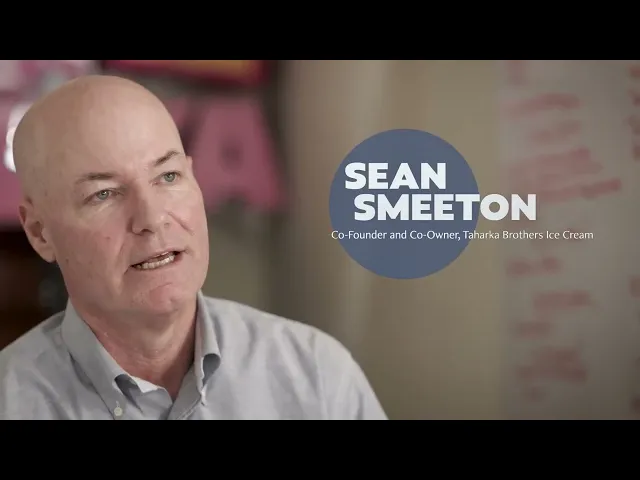
Some of Baltimore’s tastiest ice cream emerged from a downtown workforce development program.
Sylvan Beach Foundation was a nonprofit focused on giving young men the chance to learn work-related skills while attending school. Its founder understood the value in for-profit social enterprises that would feed participants’ professional trajectories and entrepreneurial drive while funding the work. With early funding from the Foundation, Sylvan Beach launched Taharka Brothers, which is now an employee-owned, small-batch ice cream company producing famously delicious pints.
2005
Some of Baltimore’s tastiest ice cream emerged from a downtown workforce development program.
Sylvan Beach Foundation was a nonprofit focused on giving young men the chance to learn work-related skills while attending school. Its founder understood the value in for-profit social enterprises that would feed participants’ professional trajectories and entrepreneurial drive while funding the work. With early funding from the Foundation, Sylvan Beach launched Taharka Brothers, which is now an employee-owned, small-batch ice cream company producing famously delicious pints.
2005
Some of Baltimore’s tastiest ice cream emerged from a downtown workforce development program.
Sylvan Beach Foundation was a nonprofit focused on giving young men the chance to learn work-related skills while attending school. Its founder understood the value in for-profit social enterprises that would feed participants’ professional trajectories and entrepreneurial drive while funding the work. With early funding from the Foundation, Sylvan Beach launched Taharka Brothers, which is now an employee-owned, small-batch ice cream company producing famously delicious pints.
2007
Supporting economic independence is about nursing, trees and gourmet cooking.
In 2007 alone, the Foundation backed an evaluation of the economic and social impact of the Caroline Center’s Nursing Assistant Training Program, provided significant support to Parks & People for a tree brokering enterprise and backed Dogwood Restaurant, whose Chefs in the Making program trained people recovering from substance use disorder, incarceration or homelessness. Supporting broad populations, these programs all focused on jobs, economic resilience and the dignity of work.

2007
Supporting economic independence is about nursing, trees and gourmet cooking.
In 2007 alone, the Foundation backed an evaluation of the economic and social impact of the Caroline Center’s Nursing Assistant Training Program, provided significant support to Parks & People for a tree brokering enterprise and backed Dogwood Restaurant, whose Chefs in the Making program trained people recovering from substance use disorder, incarceration or homelessness. Supporting broad populations, these programs all focused on jobs, economic resilience and the dignity of work.
2007
Supporting economic independence is about nursing, trees and gourmet cooking.
In 2007 alone, the Foundation backed an evaluation of the economic and social impact of the Caroline Center’s Nursing Assistant Training Program, provided significant support to Parks & People for a tree brokering enterprise and backed Dogwood Restaurant, whose Chefs in the Making program trained people recovering from substance use disorder, incarceration or homelessness. Supporting broad populations, these programs all focused on jobs, economic resilience and the dignity of work.
2008
-2009
Holding steady in times of turmoil
During the global financial crisis, the Foundation’s assets—like those of countless other institutions—dropped by more than a third, a challenging position for an organization dedicated to sustaining, multi-year funding. The Foundation made no new grants during this time, but took thoughtful, strategic steps to meet its existing grant commitments, ensuring some stability for partners at a time of chaotic uncertainty.
2013
A Baltimore-specific approach

Baltimore Corps aimed to identify some of the city’s most challenging problems, then attract and unleash talent from across the country to address them. Created with the Aspen Institute, this was seen as the next iteration of concepts like AmeriCorps—a powerful way to drive innovation, equity and social change while helping to strengthen Baltimore’s future. The Foundation was an early investor in this work, providing the initiative’s initial funding.
2013
A Baltimore-specific approach
Baltimore Corps aimed to identify some of the city’s most challenging problems, then attract and unleash talent from across the country to address them. Created with the Aspen Institute, this was seen as the next iteration of concepts like AmeriCorps—a powerful way to drive innovation, equity and social change while helping to strengthen Baltimore’s future. The Foundation was an early investor in this work, providing the initiative’s initial funding.
2013
A Baltimore-specific approach
Baltimore Corps aimed to identify some of the city’s most challenging problems, then attract and unleash talent from across the country to address them. Created with the Aspen Institute, this was seen as the next iteration of concepts like AmeriCorps—a powerful way to drive innovation, equity and social change while helping to strengthen Baltimore’s future. The Foundation was an early investor in this work, providing the initiative’s initial funding.
2014
2020
So many Baltimore innovators and entrepreneurs helped launch the city’s Impact Hub. When they were ready to join the global network, the Foundation was all in.
The Straus Foundation’s support helped Impact Hub join a network that spans nearly 100 locations in 60 countries, giving local entrepreneurs additional contacts as they build out their big ideas.

2017
1992
Shortly after the launch of Bedtime in a Box, the Foundation leaned in with support to expand its reach.
From his own parenting experience and from his work with Baltimore City Public Schools, the organization’s founder knew the value of a healthy and consistent bedtime routine—so he boxed it up. With the Foundation’s support, the organization grew to connect with families through schools, early childhood centers, health clinics and more.

years
boxes distributed since 2015, with about half going to Baltimore City families.
2017
At its founding, Venture for America’s mission was to help recent graduates and young professionals drive the progress of startups in cities across the U.S.
The Straus Foundation supported this work—another channel to draw talent to Baltimore—to help cultivate Baltimore’s tech ecosystem.

2017
At its founding, Venture for America’s mission was to help recent graduates and young professionals drive the progress of startups in cities across the U.S.
The Straus Foundation supported this work—another channel to draw talent to Baltimore—to help cultivate Baltimore’s tech ecosystem.
2017
At its founding, Venture for America’s mission was to help recent graduates and young professionals drive the progress of startups in cities across the U.S.
The Straus Foundation supported this work—another channel to draw talent to Baltimore—to help cultivate Baltimore’s tech ecosystem.
2019
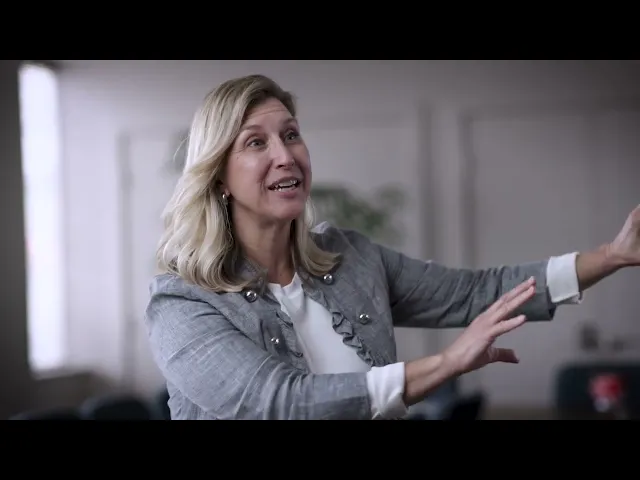
The sweetest outcome: empowering women survivors of trauma
The Well, based in South Baltimore, provides a safe haven for women who have experienced poverty, addiction, violence and other forms of trauma, offering practical programs and services. Hon’s Honey emerged a few years later, a social enterprise that provided women with employment, workforce development—and purpose. The Foundation has consistently backed this work, including the creation of a cafe that also sells honey, beeswax candles and more.
2019
The sweetest outcome: empowering women survivors of trauma
The Well, based in South Baltimore, provides a safe haven for women who have experienced poverty, addiction, violence and other forms of trauma, offering practical programs and services. Hon’s Honey emerged a few years later, a social enterprise that provided women with employment, workforce development—and purpose. The Foundation has consistently backed this work, including the creation of a cafe that also sells honey, beeswax candles and more.
2019
The sweetest outcome: empowering women survivors of trauma
The Well, based in South Baltimore, provides a safe haven for women who have experienced poverty, addiction, violence and other forms of trauma, offering practical programs and services. Hon’s Honey emerged a few years later, a social enterprise that provided women with employment, workforce development—and purpose. The Foundation has consistently backed this work, including the creation of a cafe that also sells honey, beeswax candles and more.
2020
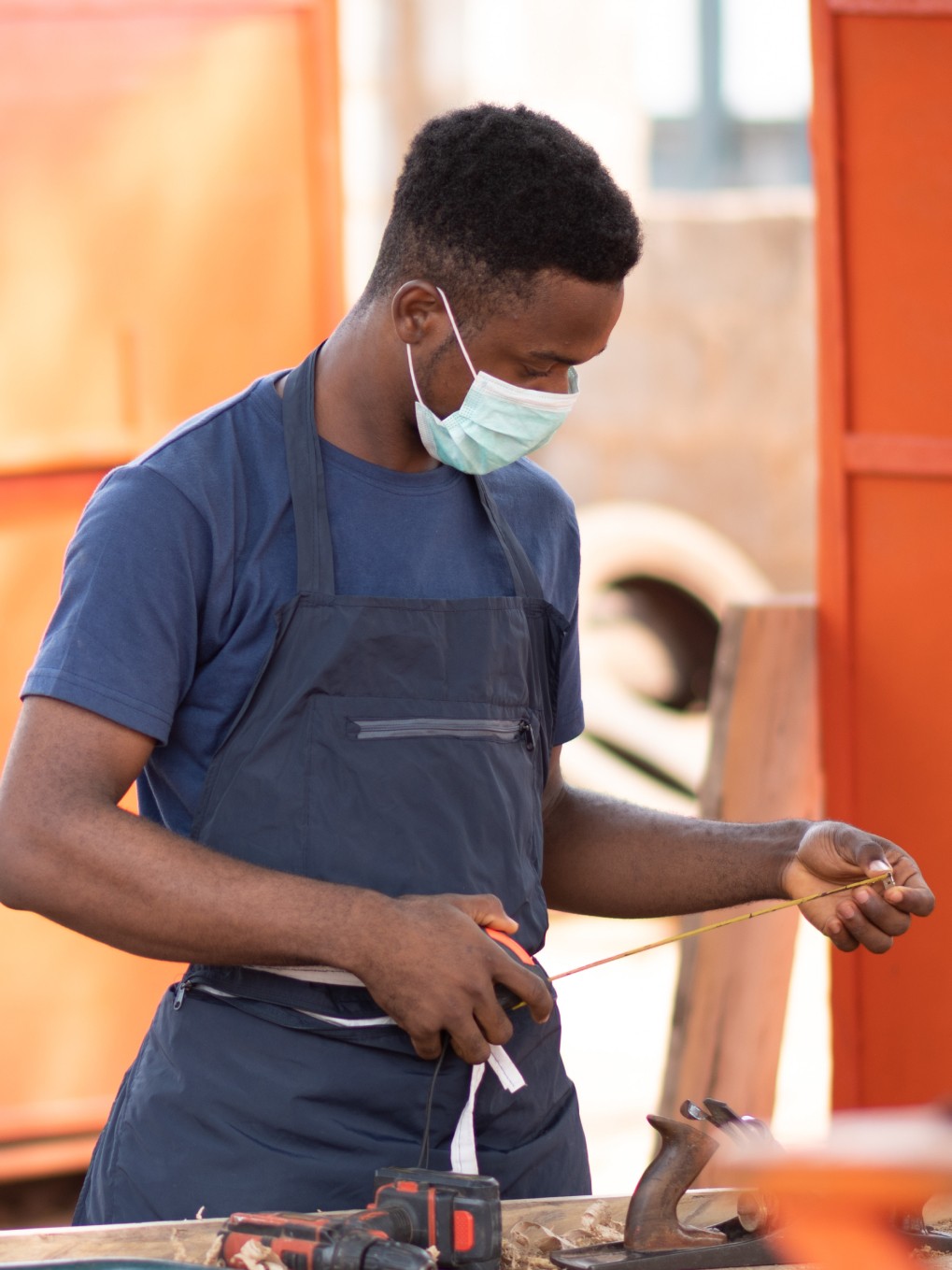
Open Works’ pivot during the pandemic demonstrated the courage and creativity required to meet the moment.
The makerspace, then four years old, began producing personal protective equipment for medical professionals and those required to be at work in person, and desks for students coping with virtual learning. That was the start of the Foundation’s support for this dynamic nonprofit, which connects innovators and entrepreneurs of all ages to the manufacturing equipment, space and community needed to build out their dreams.
2020
Open Works’ pivot during the pandemic demonstrated the courage and creativity required to meet the moment.
The makerspace, then four years old, began producing personal protective equipment for medical professionals and those required to be at work in person, and desks for students coping with virtual learning. That was the start of the Foundation’s support for this dynamic nonprofit, which connects innovators and entrepreneurs of all ages to the manufacturing equipment, space and community needed to build out their dreams.
2020
Open Works’ pivot during the pandemic demonstrated the courage and creativity required to meet the moment.
The makerspace, then four years old, began producing personal protective equipment for medical professionals and those required to be at work in person, and desks for students coping with virtual learning. That was the start of the Foundation’s support for this dynamic nonprofit, which connects innovators and entrepreneurs of all ages to the manufacturing equipment, space and community needed to build out their dreams.
2021
New Approaches—Bigger Impact

The Foundation awarded the Revolve Fund with one of its first institutional grants. Through proceeds of that award, Revolve underwrote a recoverable grant to the Latino Economic Development Center, which co-funded pandemic-related microlending in Baltimore. This helped stabilize current and pending LEDC clients—businesses and individuals. Even with the increased lending risk associated with the moment, LEDC returned nearly 80% of grant proceeds to Revolve, which reinvested those dollars into additional Baltimore projects, amplifying the impact of the Foundation’s original grant.
2021
New Approaches—Bigger Impact
The Foundation awarded the Revolve Fund with one of its first institutional grants. Through proceeds of that award, Revolve underwrote a recoverable grant to the Latino Economic Development Center, which co-funded pandemic-related microlending in Baltimore. This helped stabilize current and pending LEDC clients—businesses and individuals. Even with the increased lending risk associated with the moment, LEDC returned nearly 80% of grant proceeds to Revolve, which reinvested those dollars into additional Baltimore projects, amplifying the impact of the Foundation’s original grant.
2021
New Approaches—Bigger Impact
The Foundation awarded the Revolve Fund with one of its first institutional grants. Through proceeds of that award, Revolve underwrote a recoverable grant to the Latino Economic Development Center, which co-funded pandemic-related microlending in Baltimore. This helped stabilize current and pending LEDC clients—businesses and individuals. Even with the increased lending risk associated with the moment, LEDC returned nearly 80% of grant proceeds to Revolve, which reinvested those dollars into additional Baltimore projects, amplifying the impact of the Foundation’s original grant.
2021
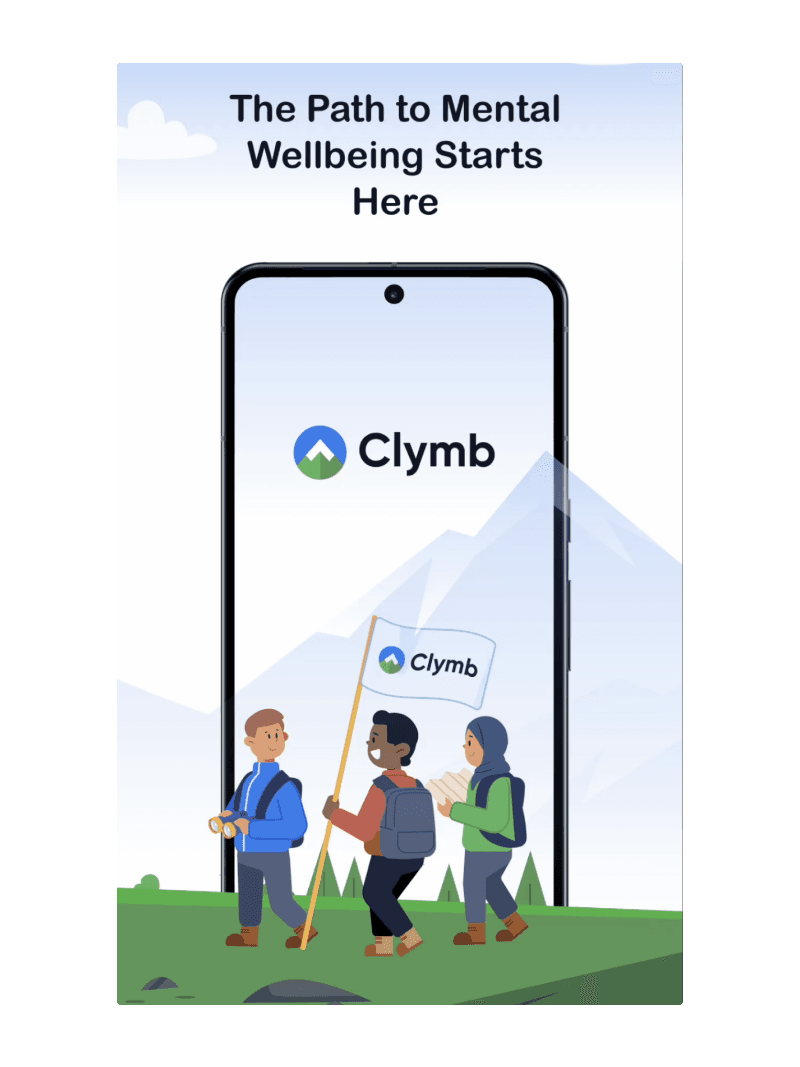
Clymb was an unusual investment for the Foundation, but the tech startup’s focus on children’s mental health directly aligned with broader community aims.
Today, Clymb works hand-in-hand with schools, school districts, and youth organizations, to provide emotional wellness resources to thousands of children in and beyond Baltimore.
2021
Clymb was an unusual investment for the Foundation, but the tech startup’s focus on children’s mental health directly aligned with broader community aims.
Today, Clymb works hand-in-hand with schools, school districts, and youth organizations, to provide emotional wellness resources to thousands of children in and beyond Baltimore.
2021
Clymb was an unusual investment for the Foundation, but the tech startup’s focus on children’s mental health directly aligned with broader community aims.
Today, Clymb works hand-in-hand with schools, school districts, and youth organizations, to provide emotional wellness resources to thousands of children in and beyond Baltimore.
2024
Launched in 2022, The Banner offered a new way of providing community-focused journalism to Baltimore.
The Foundation’s 2024 investment through the Venetoulis Institute for Local Journalism helped ensure this nonprofit news site could continue its mission and belief that “strong local news is essential to a strong community.”
2024
Launched in 2022, The Banner offered a new way of providing community-focused journalism to Baltimore.
The Foundation’s 2024 investment through the Venetoulis Institute for Local Journalism helped ensure this nonprofit news site could continue its mission and belief that “strong local news is essential to a strong community.”
2024
Launched in 2022, The Banner offered a new way of providing community-focused journalism to Baltimore.
The Foundation’s 2024 investment through the Venetoulis Institute for Local Journalism helped ensure this nonprofit news site could continue its mission and belief that “strong local news is essential to a strong community.”
2024
Building bridges across the barriers dividing our communities
Next Generation Language Access offers a creative and effective solution to overcoming divisive language: training high school students to become professional interpreters. The Foundation recognized this win-win approach, which provides career opportunities to young people while helping neighbors access the services they need now.
2024
Building bridges across the barriers dividing our communities
Next Generation Language Access offers a creative and effective solution to overcoming divisive language: training high school students to become professional interpreters. The Foundation recognized this win-win approach, which provides career opportunities to young people while helping neighbors access the services they need now.
2024
Building bridges across the barriers dividing our communities
Next Generation Language Access offers a creative and effective solution to overcoming divisive language: training high school students to become professional interpreters. The Foundation recognized this win-win approach, which provides career opportunities to young people while helping neighbors access the services they need now.
2024
1992
The end of an era
Forty-five years after being named Executive Director of the Straus Foundation, Jan Rivitz retired as its President and CEO. Advancing the vision, daring and compassion of the organization’s founders, she worked consistently to test new ideas, elevate innovative leaders and grow proven approaches through program expansion and legislative change. She will remain as President of the Foundation’s Board of Directors.
years
of unparalleled leadership