

From the beginning
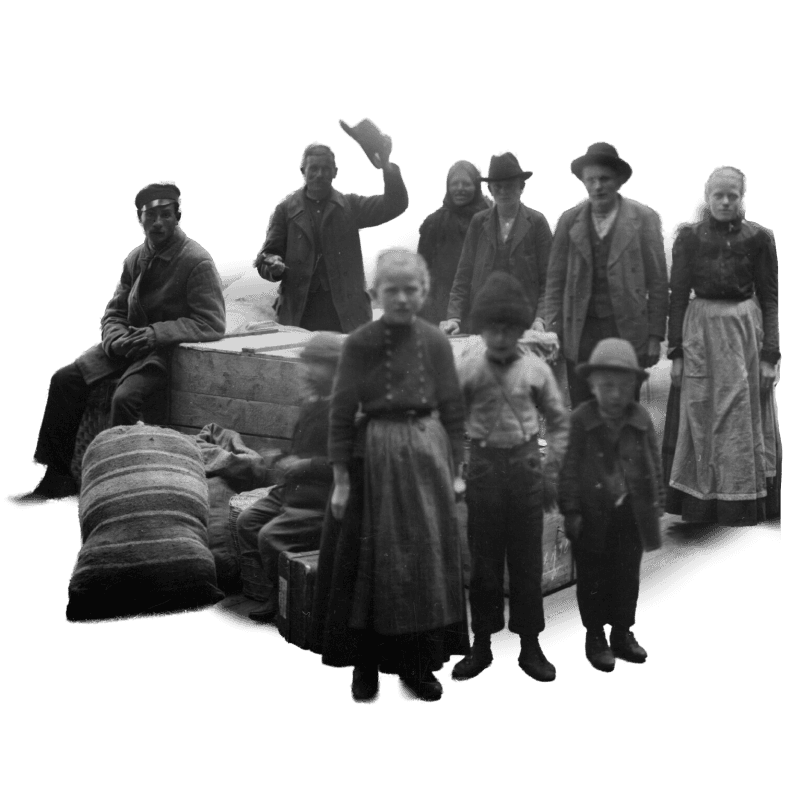
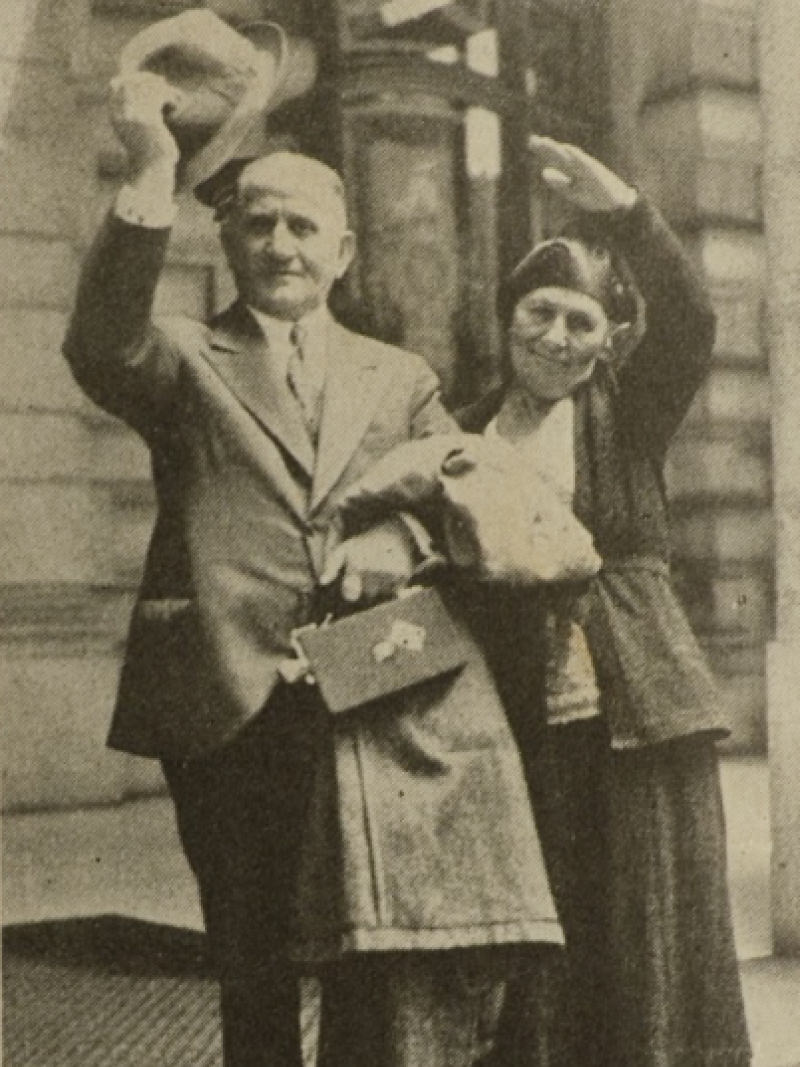
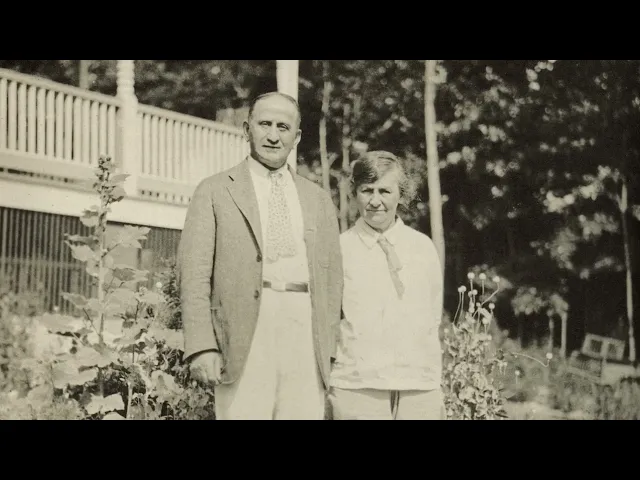
The philanthropy of Aaron and Lillie Straus was born at a time when waves of immigrants were arriving in Baltimore from Eastern Europe and Germany. The couple saw the pressing needs of the new arrivals and reached out with compassion and generosity. That was the beginning of a decades-long commitment to improve the lives of those around them.
This was about far more than money. They offered a personal commitment, bolstering the efforts of local Jewish social service organizations, expanding and igniting partnerships, building things that didn’t exist before and helping others imagine what was possible.


From the beginning
The philanthropy of Aaron and Lillie Straus was born at a time when waves of immigrants were arriving in Baltimore from Eastern Europe and Germany. The couple saw the pressing needs of the new arrivals and reached out with compassion and generosity. That was the beginning of a decades-long commitment to improve the lives of those around them.
This was about far more than money. They offered a personal commitment, bolstering the efforts of local Jewish social service organizations, expanding and igniting partnerships, building things that didn’t exist before and helping others imagine what was possible.


From the beginning
The philanthropy of Aaron and Lillie Straus was born at a time when waves of immigrants were arriving in Baltimore from Eastern Europe and Germany. The couple saw the pressing needs of the new arrivals and reached out with compassion and generosity. That was the beginning of a decades-long commitment to improve the lives of those around them.
This was about far more than money. They offered a personal commitment, bolstering the efforts of local Jewish social service organizations, expanding and igniting partnerships, building things that didn’t exist before and helping others imagine what was possible.


1865
Aaron Straus was born in Baltimore of German Jewish descent.
After attending Baltimore City College, he began his career by working at his father’s furniture store on Howard and Fayette Streets.
1871
Lillie Meyer was born in St. Louis
1882
Aaron graduated from City College High School
1889
Aaron and Lillie married

1865
Aaron Straus was born in Baltimore of German Jewish descent.
After attending Baltimore City College, he began his career by working at his father’s furniture store on Howard and Fayette Streets.
1871
Lillie Meyer was born in St. Louis
1882
Aaron graduated from City College High School
1889
Aaron and Lillie married

1865
Aaron Straus was born in Baltimore of German Jewish descent.
After attending Baltimore City College, he began his career by working at his father’s furniture store on Howard and Fayette Streets.
1871
Lillie Meyer was born in St. Louis
1882
Aaron graduated from City College High School
1889
Aaron and Lillie married

1865
Aaron Straus was born in Baltimore of German Jewish descent.
After attending Baltimore City College, he began his career by working at his father’s furniture store on Howard and Fayette Streets.
1871
Lillie Meyer was born in St. Louis
1882
Aaron graduated from City College High School
1889
Aaron and Lillie married

1892
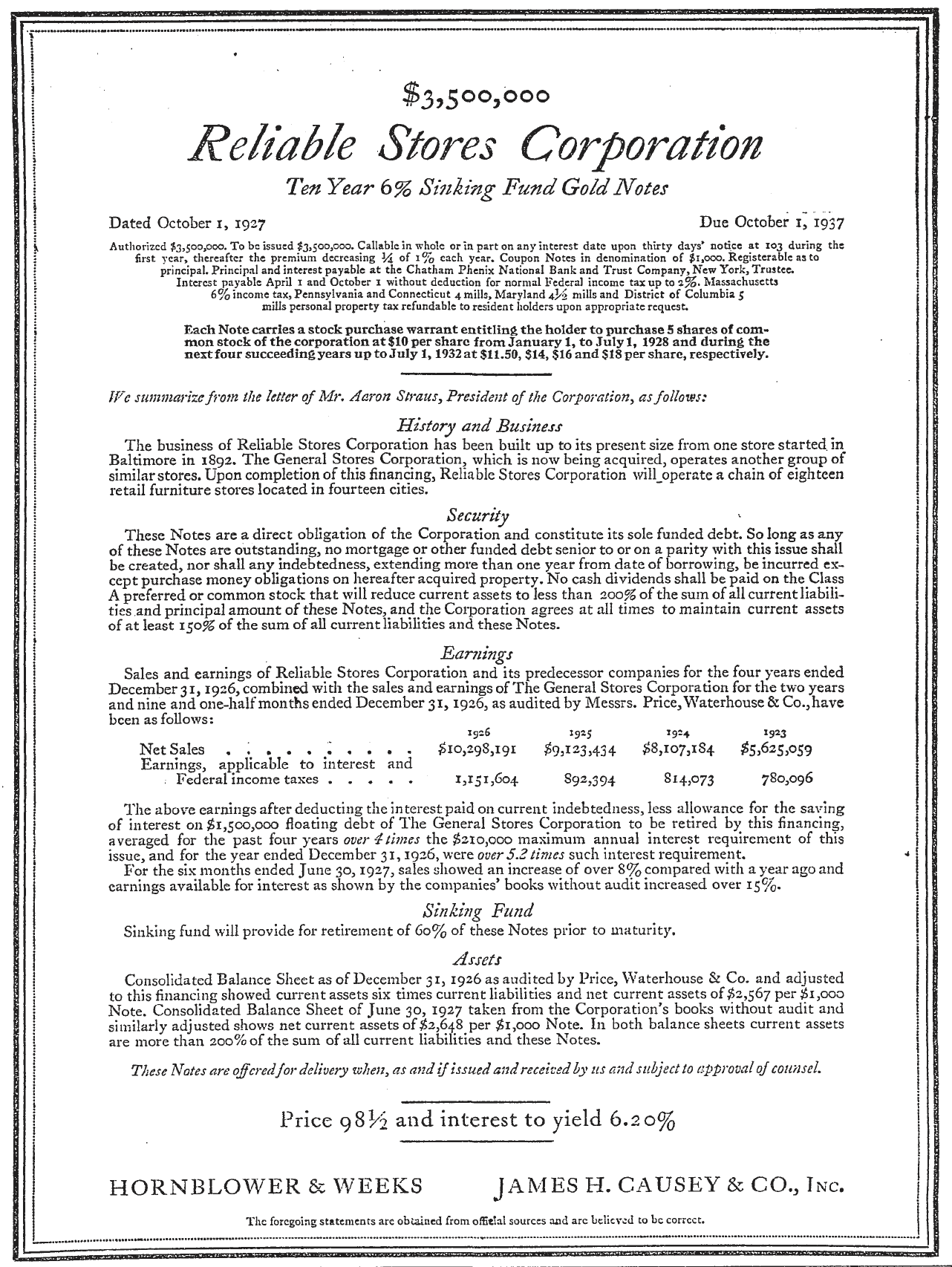
Reliable Stores Corporation started as a general store in Baltimore.
Within 35 years, through impressive national growth, the company went public—listed on the New York Stock Exchange—to support its expansion. This success, and the Strauses’ famous frugality, funded their philanthropic efforts.

1892
Reliable Stores Corporation started as a general store in Baltimore.
Within 35 years, through impressive national growth, the company went public—listed on the New York Stock Exchange—to support its expansion. This success, and the Strauses’ famous frugality, funded their philanthropic efforts.

1892
Reliable Stores Corporation started as a general store in Baltimore.
Within 35 years, through impressive national growth, the company went public—listed on the New York Stock Exchange—to support its expansion. This success, and the Strauses’ famous frugality, funded their philanthropic efforts.

1892
Reliable Stores Corporation started as a general store in Baltimore.
Within 35 years, through impressive national growth, the company went public—listed on the New York Stock Exchange—to support its expansion. This success, and the Strauses’ famous frugality, funded their philanthropic efforts.

1904
1904
1904
1904
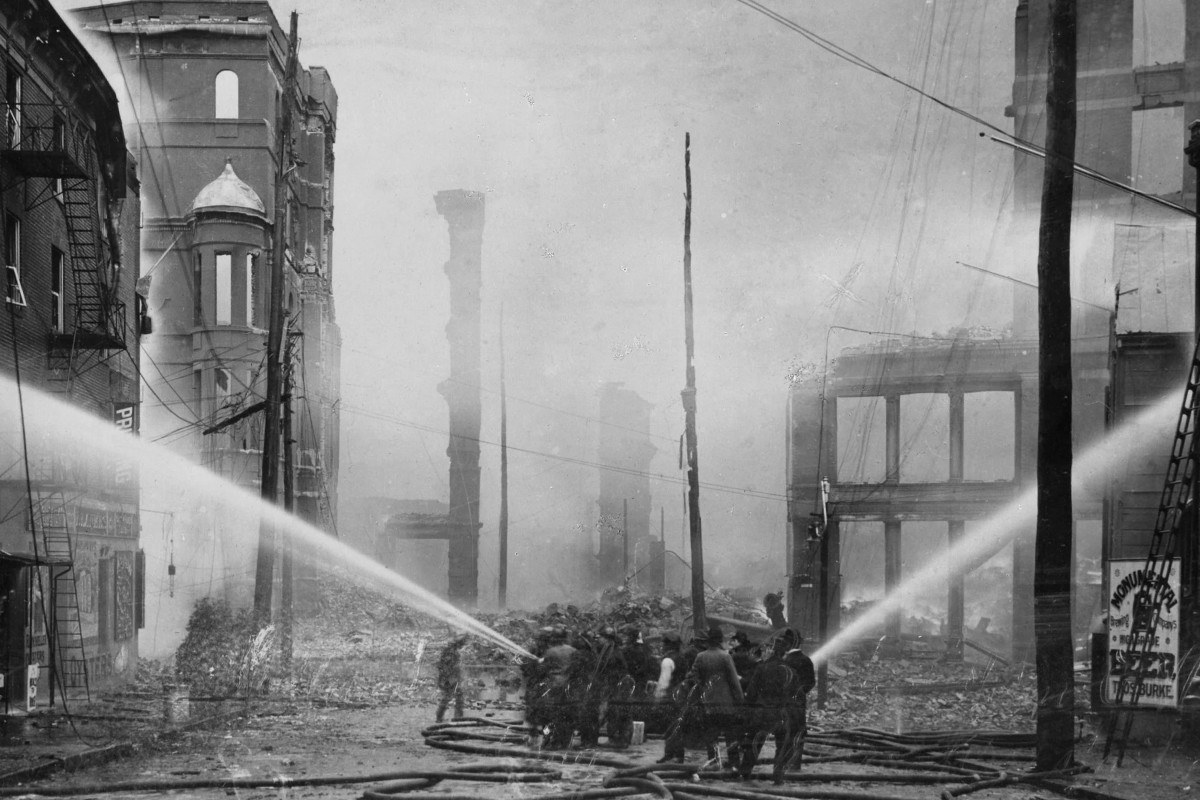
When the Great Baltimore fire tore furiously through downtown Baltimore, destroying more than 1,500 buildings and 70 city blocks over two days, the Strauses had not yet made their fortune. But, joining the response led by allied Jewish charities, their values were clear.
"From Mrs. Aaron Straus, a reporter of The Sun learned yesterday afternoon that the associated organizations will establish a soup kitchen in the neighborhood in which the destitute have taken refuge, if the occasion demands it. In the meanwhile, they are supplying food and other necessities where they are found to me most sorely needed."
"We are supplying the wants of those most desperately in need,” Mrs. Straus said, “as quickly as possible after we discover them. We are relieving all immediate distress, of course, but we are holding our forces somewhat in reserve for what we believe will be the most urgent need... Some may have a little to tide them over for a short time, but the worst suffering is bound to come when that is exhausted"
— Caring for the Needy, The Sun, Feb. 10, 1904
1922
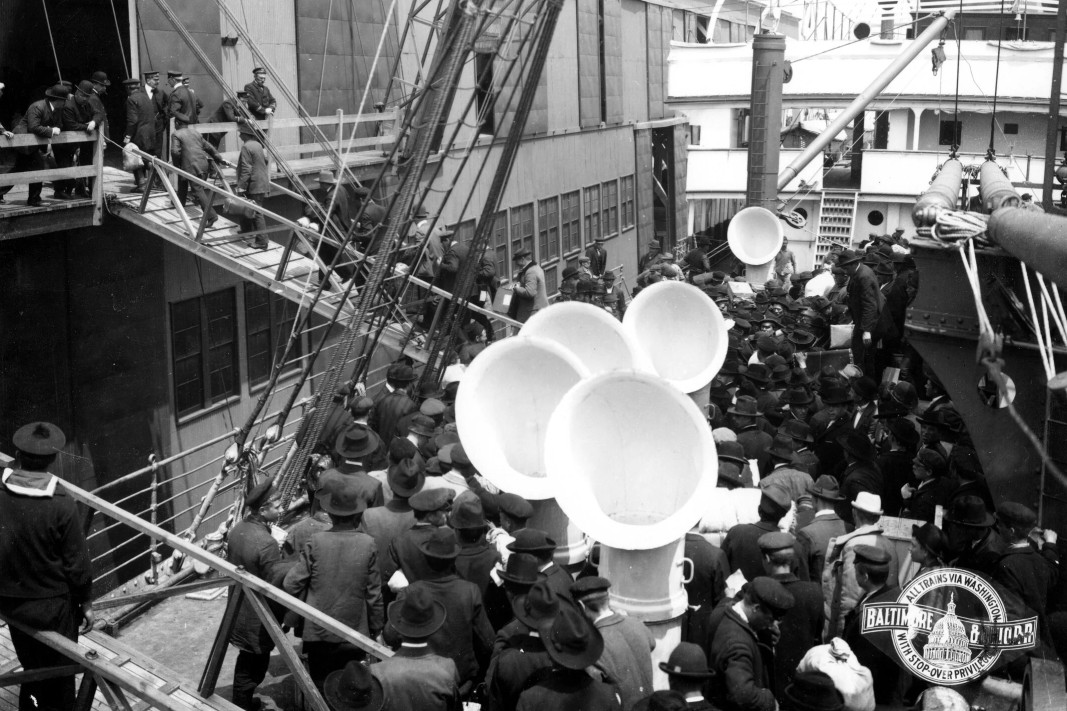
The Strauses donated $10,000 to the American Jewish Relief Campaign following news of pogrom atrocities in Eastern Europe.


1922
The Strauses donated $10,000 to the American Jewish Relief Campaign following news of pogrom atrocities in Eastern Europe.


1922
The Strauses donated $10,000 to the American Jewish Relief Campaign following news of pogrom atrocities in Eastern Europe.


1922
The Strauses donated $10,000 to the American Jewish Relief Campaign following news of pogrom atrocities in Eastern Europe.


Broader context
Between 1880 and 1920, Baltimore's Jewish population grew from 10,000 to 65,000, with a major inflow of Eastern European Jews starting around the turn of the century. This influx of immigrants shaped the Strauses initial philanthropy, and continued to affect the Foundation’s work in subsequent decades as new waves of immigrants arrived, including refugees escaping Nazism in the 1930s, Holocaust survivors after World War II, Iranian Jews whose lives were threatened and others from former Soviet Union states in the late twentieth century.
$20M+ A century of giving to The Associated
Formed in 1920 through the merger of two social service agencies, Associated Jewish Charities was the central address for Jewish philanthropy, marshaling the community’s response to supporting immigrants—and more. The Associated raised and distributed money throughout Baltimore through a federation of agencies, setting the stage for the Foundation’s charitable support city-wide.
1922
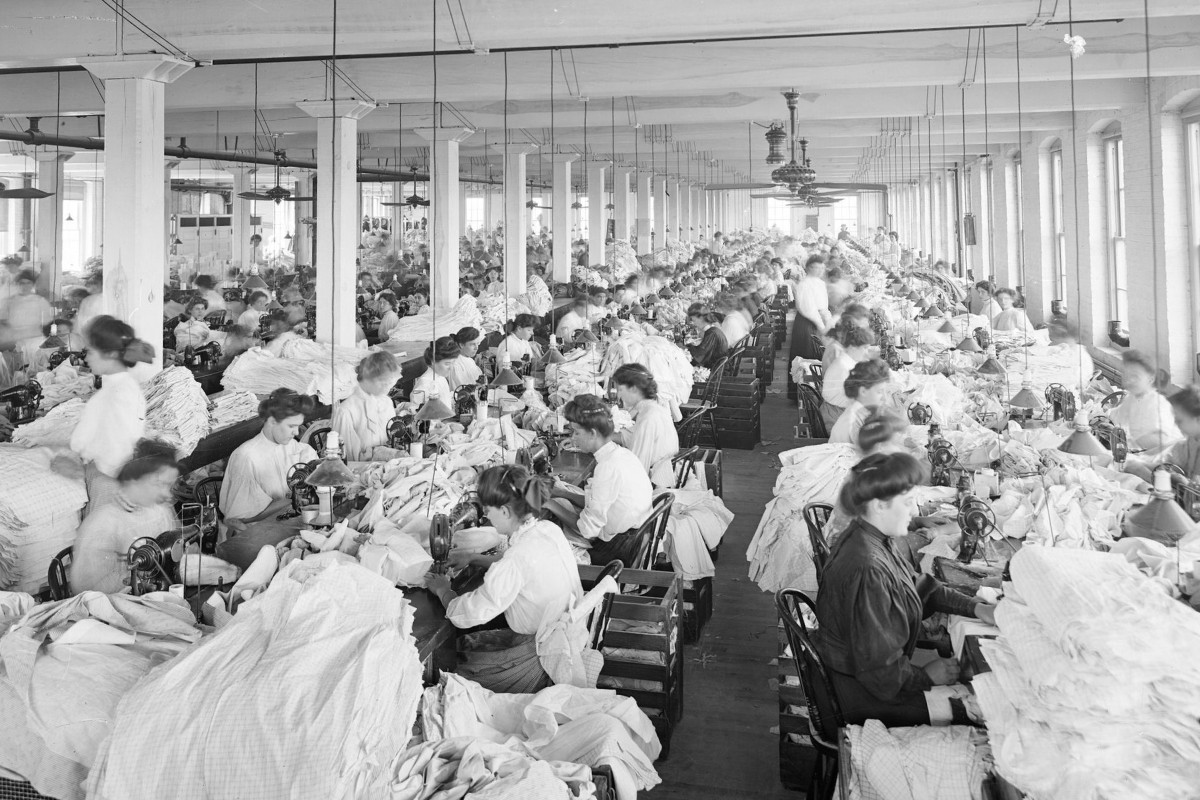
Lillie welcomed newcomers through the Daughters of Israel, a home for newly arrived women, many of whom found work in local factories and shops.
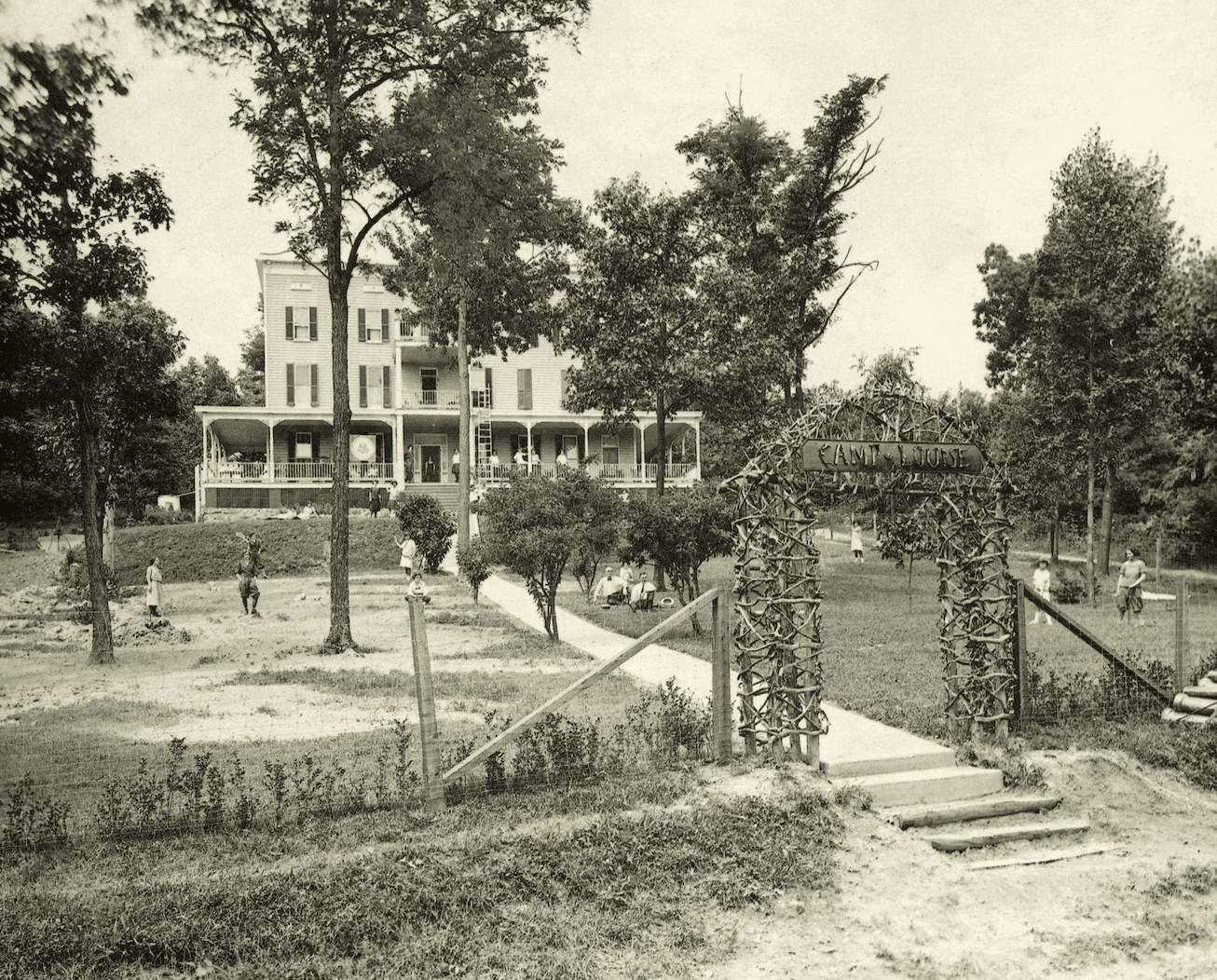
Her first-hand view of—and engagement in—their lives inspired support for a summer refuge offering an escape and fresh air to those who needed it most. What started with a one-week break for those workers in a rented cabin in the Blue Ridge Mountains evolved into Camp Louise, which opened in Cascade, Md., with 12 girls.

1922
Lillie welcomed newcomers through the Daughters of Israel, a home for newly arrived women, many of whom found work in local factories and shops.
Her first-hand view of—and engagement in—their lives inspired support for a summer refuge offering an escape and fresh air to those who needed it most. What started with a one-week break for those workers in a rented cabin in the Blue Ridge Mountains evolved into Camp Louise, which opened in Cascade, Md., with 12 girls.

1922
Lillie welcomed newcomers through the Daughters of Israel, a home for newly arrived women, many of whom found work in local factories and shops.
Her first-hand view of—and engagement in—their lives inspired support for a summer refuge offering an escape and fresh air to those who needed it most. What started with a one-week break for those workers in a rented cabin in the Blue Ridge Mountains evolved into Camp Louise, which opened in Cascade, Md., with 12 girls.

1922
Lillie welcomed newcomers through the Daughters of Israel, a home for newly arrived women, many of whom found work in local factories and shops.
Her first-hand view of—and engagement in—their lives inspired support for a summer refuge offering an escape and fresh air to those who needed it most. What started with a one-week break for those workers in a rented cabin in the Blue Ridge Mountains evolved into Camp Louise, which opened in Cascade, Md., with 12 girls.

“Well, Aaron, Aunt Lillie has created a vacation spot for girls. When are you going to do something for the boys?”
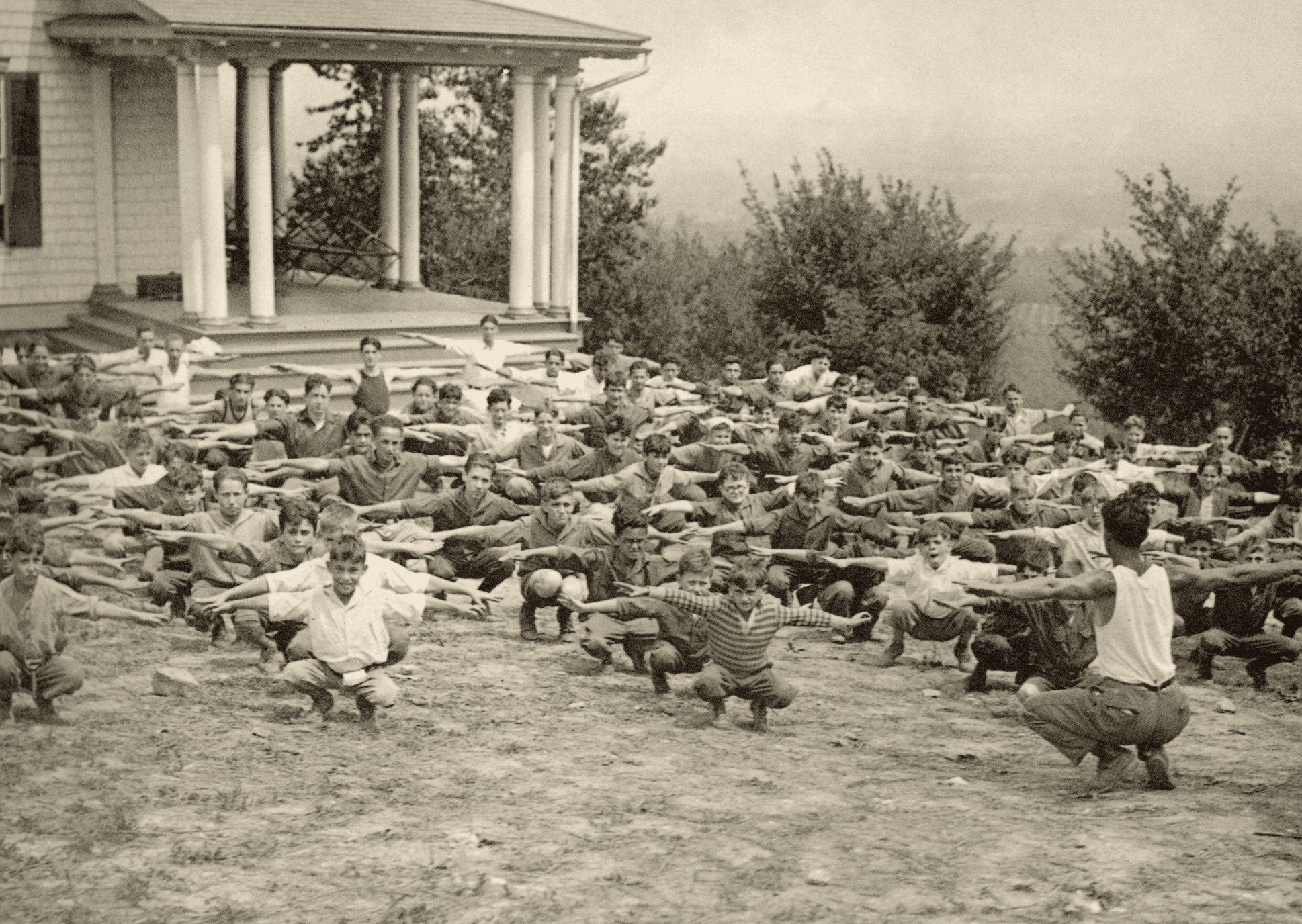
This provocation from a friend of Aaron’s over lunch led to the creation of Camp Airy, about 10 miles away from Camp Louise, in 1924.
“Well, Aaron, Aunt Lillie has created a vacation spot for girls. When are you going to do something for the boys?”
This provocation from a friend of Aaron’s over lunch led to the creation of Camp Airy, about 10 miles away from Camp Louise, in 1924.
“Well, Aaron, Aunt Lillie has created a vacation spot for girls. When are you going to do something for the boys?”
This provocation from a friend of Aaron’s over lunch led to the creation of Camp Airy, about 10 miles away from Camp Louise, in 1924.
“Well, Aaron, Aunt Lillie has created a vacation spot for girls. When are you going to do something for the boys?”
This provocation from a friend of Aaron’s over lunch led to the creation of Camp Airy, about 10 miles away from Camp Louise, in 1924.


The impact of the camps
Though they never had children of their own, Aaron and Lillie built a formative summer experience that has affected the lives of more than 50,000 young people. That legacy continues today.

The impact of the camps
Though they never had children of their own, Aaron and Lillie built a formative summer experience that has affected the lives of more than 50,000 young people. That legacy continues today.

The impact of the camps
Though they never had children of their own, Aaron and Lillie built a formative summer experience that has affected the lives of more than 50,000 young people. That legacy continues today.

The impact of the camps
Though they never had children of their own, Aaron and Lillie built a formative summer experience that has affected the lives of more than 50,000 young people. That legacy continues today.

1924
“Although CSB had only $332 in its treasury, $400 had been allocated… Mrs. Aaron Straus personally made up the deficit in this situation, as was her wont! … Aunt Lillie had deep pockets and a big heart.”
— history of the Central Scholarship Bureau, 1924-1988
1924
“Although CSB had only $332 in its treasury, $400 had been allocated… Mrs. Aaron Straus personally made up the deficit in this situation, as was her wont! … Aunt Lillie had deep pockets and a big heart.”
— history of the Central Scholarship Bureau, 1924-1988
1924
“Although CSB had only $332 in its treasury, $400 had been allocated… Mrs. Aaron Straus personally made up the deficit in this situation, as was her wont! … Aunt Lillie had deep pockets and a big heart.”
— history of the Central Scholarship Bureau, 1924-1988
1924
“Although CSB had only $332 in its treasury, $400 had been allocated… Mrs. Aaron Straus personally made up the deficit in this situation, as was her wont! … Aunt Lillie had deep pockets and a big heart.”
— history of the Central Scholarship Bureau, 1924-1988

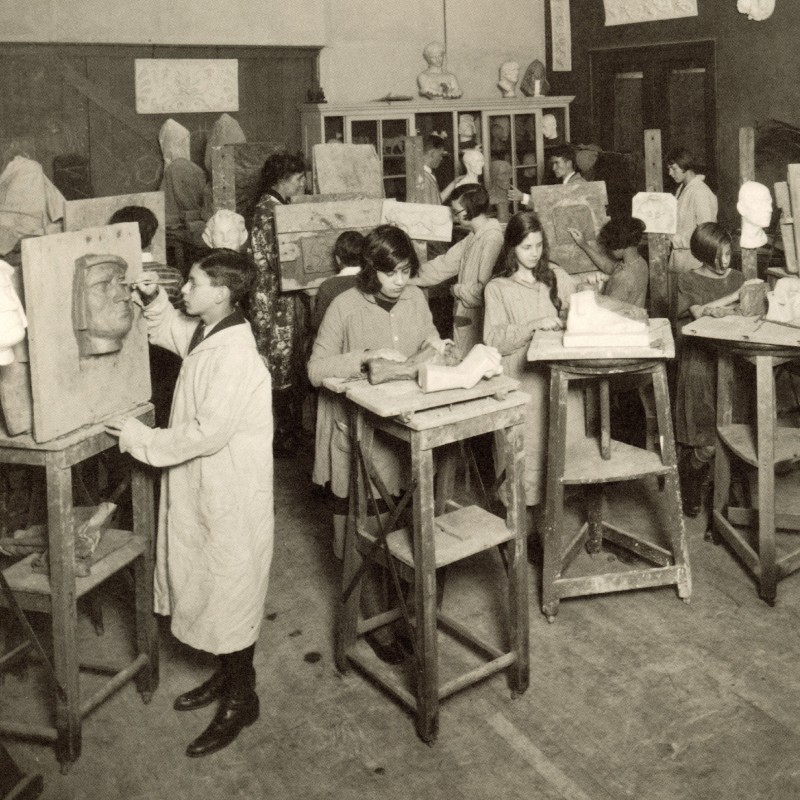
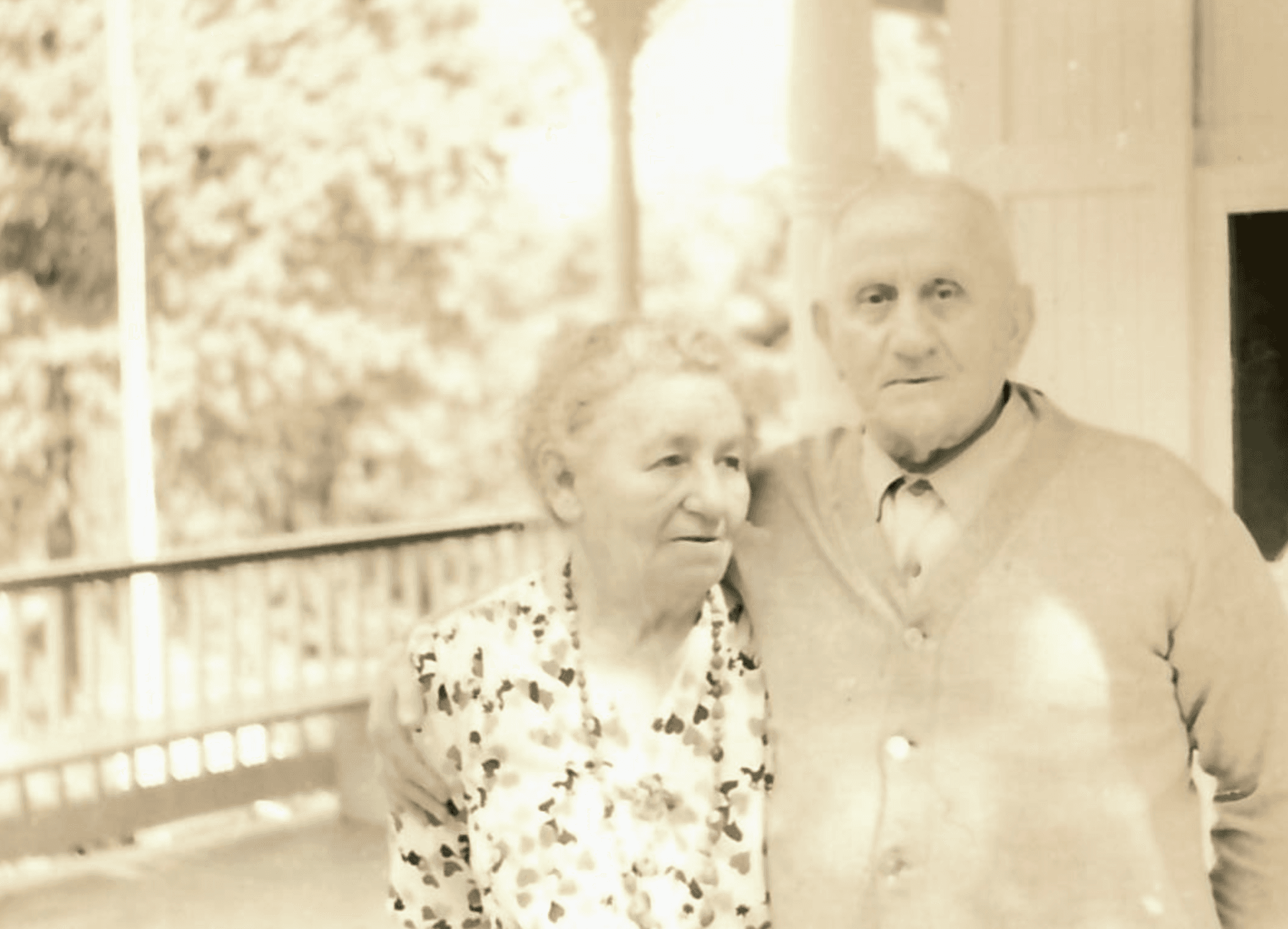
Lillie was known as the original guiding spirit of the Central Scholarship Bureau, founded in 1924. Over the years, the initiative provided financial aid, guidance and referral, and last-resort, interest free loans to students seeking undergraduate and graduate degrees, and vocational training. The Strauses funded the work for decades, with Lillie often offering personal funds to fill in deficits in a student’s aid.
1926
The Straus Foundation is the first foundation incorporated in Maryland.
Business genius was key to amassing a fortune significant enough to form this private charitable foundation, but so was frugal living. The Strauses never owned their own home. Lillie bought clothes from discount stores and thrift shops. And to get Aaron to buy a new suit in the 1940s—wholesale from his own store—the officers of Reliable Stores Corp. instructed the clerk to tell him it only cost $10, which Aaron considered a reasonable price.

1926
The Straus Foundation is the first foundation incorporated in Maryland.
Business genius was key to amassing a fortune significant enough to form this private charitable foundation, but so was frugal living. The Strauses never owned their own home. Lillie bought clothes from discount stores and thrift shops. And to get Aaron to buy a new suit in the 1940s—wholesale from his own store—the officers of Reliable Stores Corp. instructed the clerk to tell him it only cost $10, which Aaron considered a reasonable price.

1926
The Straus Foundation is the first foundation incorporated in Maryland.
Business genius was key to amassing a fortune significant enough to form this private charitable foundation, but so was frugal living. The Strauses never owned their own home. Lillie bought clothes from discount stores and thrift shops. And to get Aaron to buy a new suit in the 1940s—wholesale from his own store—the officers of Reliable Stores Corp. instructed the clerk to tell him it only cost $10, which Aaron considered a reasonable price.

1926
The Straus Foundation is the first foundation incorporated in Maryland.
Business genius was key to amassing a fortune significant enough to form this private charitable foundation, but so was frugal living. The Strauses never owned their own home. Lillie bought clothes from discount stores and thrift shops. And to get Aaron to buy a new suit in the 1940s—wholesale from his own store—the officers of Reliable Stores Corp. instructed the clerk to tell him it only cost $10, which Aaron considered a reasonable price.

“Aaron was a philanthropic giant, but the heart was Lillie’s. She was the driver of the philanthropic machine.”
– Alfred I. Coplan, former chair of the board, Reliable Stores Corp
“Aaron was a philanthropic giant, but the heart was Lillie’s. She was the driver of the philanthropic machine.”
– Alfred I. Coplan, former chair of the board, Reliable Stores Corp
“Aaron was a philanthropic giant, but the heart was Lillie’s. She was the driver of the philanthropic machine.”
– Alfred I. Coplan, former chair of the board, Reliable Stores Corp
“Aaron was a philanthropic giant, but the heart was Lillie’s. She was the driver of the philanthropic machine.”
– Alfred I. Coplan, former chair of the board, Reliable Stores Corp
1927
Reliable Stores goes public to fund its continuing expansion.

1927
Reliable Stores goes public to fund its continuing expansion.

1927
Reliable Stores goes public to fund its continuing expansion.

1927
Reliable Stores goes public to fund its continuing expansion.

Advancing Jewish philanthropy

The couple’s lifelong commitment to Baltimore Hebrew Congregation included donating funds, land and buildings, and personal service as president and sisterhood president. This was a centerpiece of their philanthropy, but their support extended across the growing Jewish community in Baltimore.
Central Scholarship Bureau
Young Men’s and Young Women’s Hebrew Association
Camps Airy and Louise
Associated Jewish Charities
And more.
Advancing Jewish philanthropy

The couple’s lifelong commitment to Baltimore Hebrew Congregation included donating funds, land and buildings, and personal service as president and sisterhood president. This was a centerpiece of their philanthropy, but their support extended across the growing Jewish community in Baltimore.
Central Scholarship Bureau
Young Men’s and Young Women’s Hebrew Association
Camps Airy and Louise
Associated Jewish Charities
And more.
Advancing Jewish philanthropy

The couple’s lifelong commitment to Baltimore Hebrew Congregation included donating funds, land and buildings, and personal service as president and sisterhood president. This was a centerpiece of their philanthropy, but their support extended across the growing Jewish community in Baltimore.
Central Scholarship Bureau
Young Men’s and Young Women’s Hebrew Association
Camps Airy and Louise
Associated Jewish Charities
And more.
Advancing Jewish philanthropy

The couple’s lifelong commitment to Baltimore Hebrew Congregation included donating funds, land and buildings, and personal service as president and sisterhood president. This was a centerpiece of their philanthropy, but their support extended across the growing Jewish community in Baltimore.
Central Scholarship Bureau
Young Men’s and Young Women’s Hebrew Association
Camps Airy and Louise
Associated Jewish Charities
And more.
1950
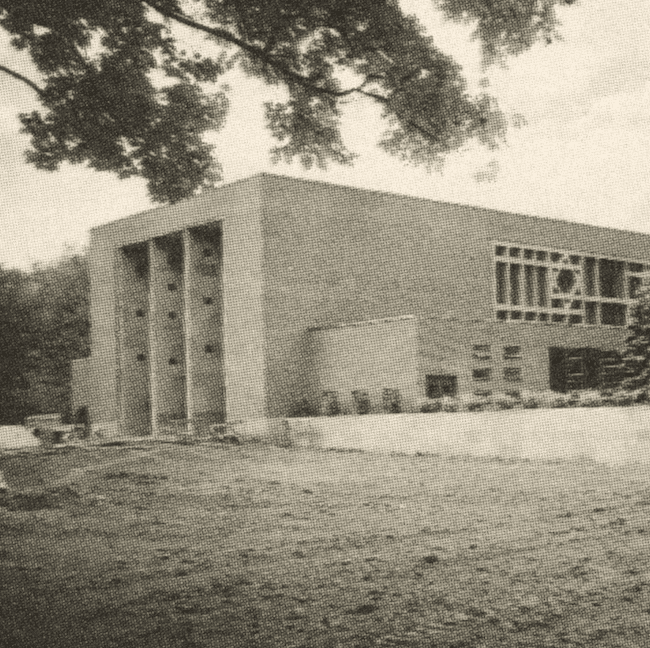
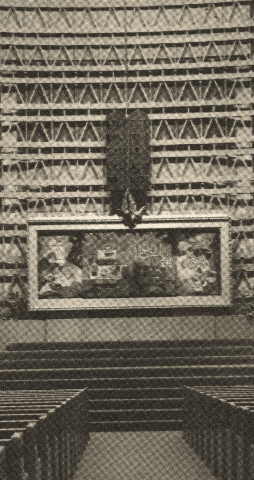
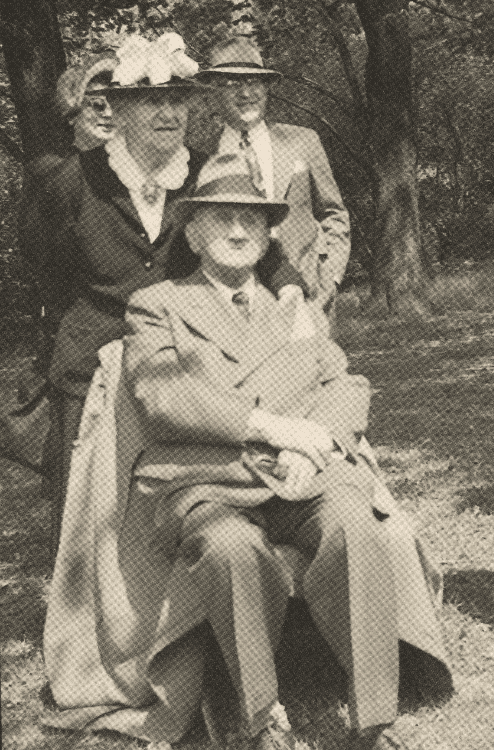
Aaron and Lillie support Baltimore Hebrew Congregation’s move to its current Park Heights Avenue address, turning the first spade of earth at the groundbreaking.

1950
Aaron and Lillie support Baltimore Hebrew Congregation’s move to its current Park Heights Avenue address, turning the first spade of earth at the groundbreaking.

1950
Aaron and Lillie support Baltimore Hebrew Congregation’s move to its current Park Heights Avenue address, turning the first spade of earth at the groundbreaking.

1950
Aaron and Lillie support Baltimore Hebrew Congregation’s move to its current Park Heights Avenue address, turning the first spade of earth at the groundbreaking.


"When we build, let us see that we build forever. Let it not be for present delight nor for present use alone; let it be such work as our descendants will thank us…”
—Rabbi Morris Lieberman at the ceremony
1953
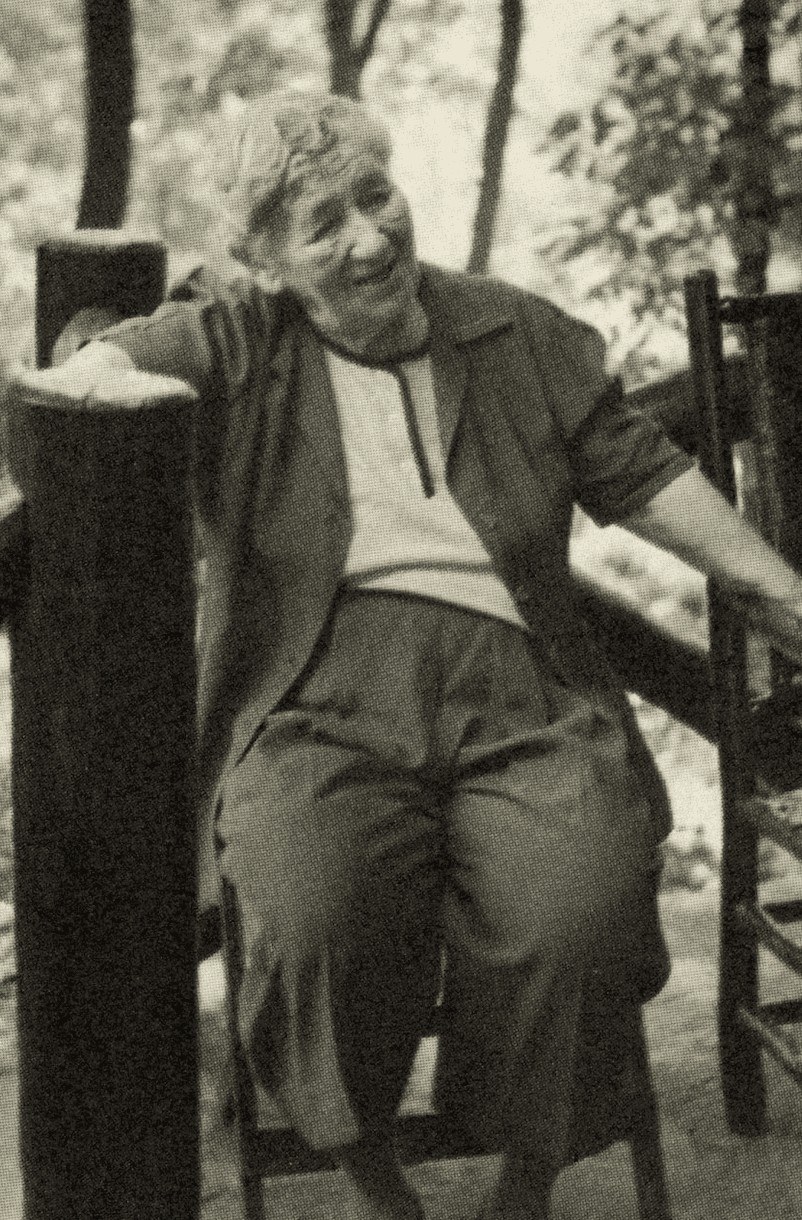
Lillie Straus passes away.
“No building of stone or brick could do justice to the innumerable achievements of Aunt Lillie’s life, which was dedicated to love of humanity and service for all, with no limitations of color or creed. I feel confident that all will agree with me that this world was better because my Lillie lived in it.”
– Aaron Straus

1953
Lillie Straus passes away.
“No building of stone or brick could do justice to the innumerable achievements of Aunt Lillie’s life, which was dedicated to love of humanity and service for all, with no limitations of color or creed. I feel confident that all will agree with me that this world was better because my Lillie lived in it.”
– Aaron Straus

1953
Lillie Straus passes away.
“No building of stone or brick could do justice to the innumerable achievements of Aunt Lillie’s life, which was dedicated to love of humanity and service for all, with no limitations of color or creed. I feel confident that all will agree with me that this world was better because my Lillie lived in it.”
– Aaron Straus

1953
Lillie Straus passes away.
“No building of stone or brick could do justice to the innumerable achievements of Aunt Lillie’s life, which was dedicated to love of humanity and service for all, with no limitations of color or creed. I feel confident that all will agree with me that this world was better because my Lillie lived in it.”
– Aaron Straus
1958
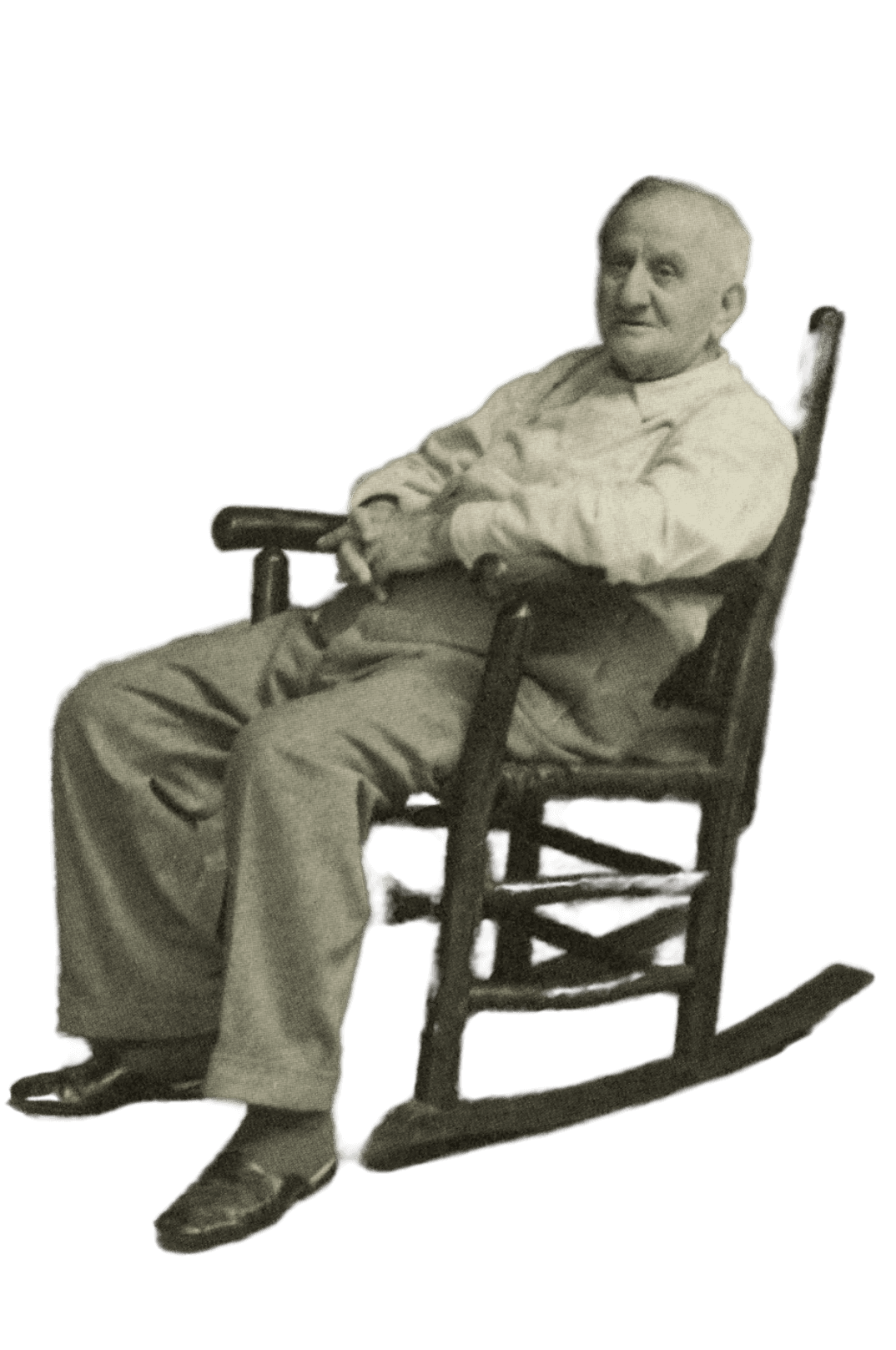
Aaron Straus passes away.
At his passing, directors of Reliable Stores Corporation comprise the Foundation’s board.
“Philanthropy meant a great deal more to Aaron Straus than alms giving. He sought to feel the mind and the spirit as well as the body.”
— Theodore R. McKeldin, Governor, State of Maryland, 1958

1958
Aaron Straus passes away.
At his passing, directors of Reliable Stores Corporation comprise the Foundation’s board.
“Philanthropy meant a great deal more to Aaron Straus than alms giving. He sought to feel the mind and the spirit as well as the body.”
— Theodore R. McKeldin, Governor, State of Maryland, 1958

1958
Aaron Straus passes away.
At his passing, directors of Reliable Stores Corporation comprise the Foundation’s board.
“Philanthropy meant a great deal more to Aaron Straus than alms giving. He sought to feel the mind and the spirit as well as the body.”
— Theodore R. McKeldin, Governor, State of Maryland, 1958

1958
Aaron Straus passes away.
At his passing, directors of Reliable Stores Corporation comprise the Foundation’s board.
“Philanthropy meant a great deal more to Aaron Straus than alms giving. He sought to feel the mind and the spirit as well as the body.”
— Theodore R. McKeldin, Governor, State of Maryland, 1958

NEXT UP
Supporting Children & Families

NEXT UP
Supporting Children & Families

NEXT UP
Supporting Children & Families

NEXT UP
Supporting Children & Families