FOCUSING ON HEALTH
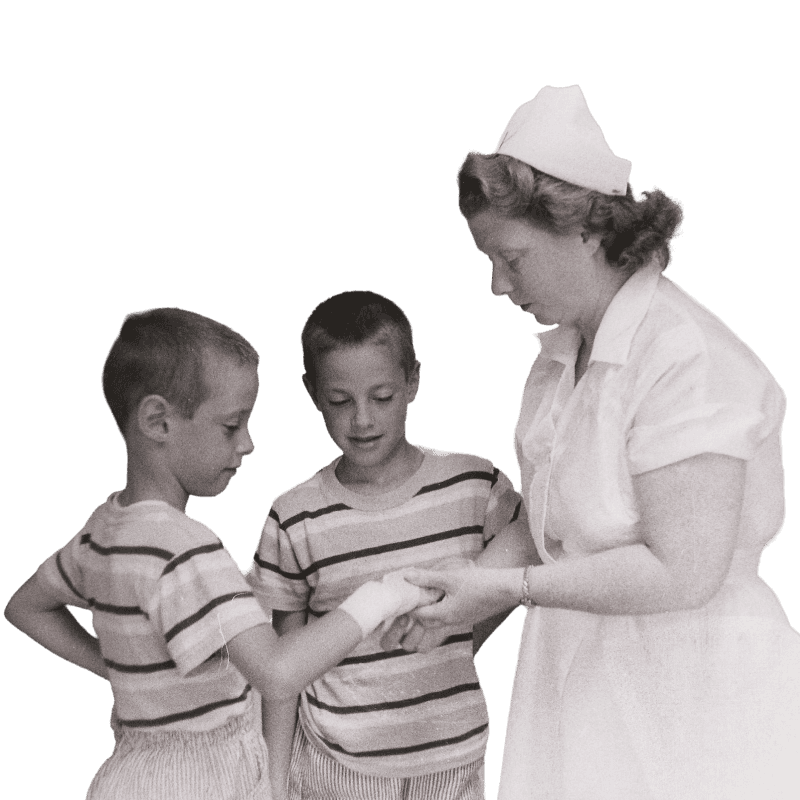
The Strauses saw first-hand the needs of local children, the desperate state of new immigrants, the impact of crowded, industrial conditions—and the potential of preeminent health care. Understanding that Baltimoreans needed medicine and more, they invested holistically. Their impact on our city’s health stretches from the halls of local hospitals to the hills of Camps Airy and Louise.
During their lifetimes, Aaron and Lillie gave to children’s hospitals, health clinics, homes for the aged and orphanages, all part of their effort to support a healthy population. Today, the Foundation continues to advance efforts focused on mental health, maternal health, reproductive rights and culturally competent care for our immigrant communities.


FOCUSING ON HEALTH
The Strauses saw first-hand the needs of local children, the desperate state of new immigrants, the impact of crowded, industrial conditions—and the potential of preeminent health care. Understanding that Baltimoreans needed medicine and more, they invested holistically. Their impact on our city’s health stretches from the halls of local hospitals to the hills of Camps Airy and Louise.
During their lifetimes, Aaron and Lillie gave to children’s hospitals, health clinics, homes for the aged and orphanages, all part of their effort to support a healthy population. Today, the Foundation continues to advance efforts focused on mental health, maternal health, reproductive rights and culturally competent care for our immigrant communities.
FOCUSING ON HEALTH
The Strauses saw first-hand the needs of local children, the desperate state of new immigrants, the impact of crowded, industrial conditions—and the potential of preeminent health care. Understanding that Baltimoreans needed medicine and more, they invested holistically. Their impact on our city’s health stretches from the halls of local hospitals to the hills of Camps Airy and Louise.
During their lifetimes, Aaron and Lillie gave to children’s hospitals, health clinics, homes for the aged and orphanages, all part of their effort to support a healthy population. Today, the Foundation continues to advance efforts focused on mental health, maternal health, reproductive rights and culturally competent care for our immigrant communities.
1920
s
The Strauses began funding the Harriet Lane Home for Invalid Children at Johns Hopkins within about a decade of the clinic’s opening in 1912, even before the Foundation’s incorporation.
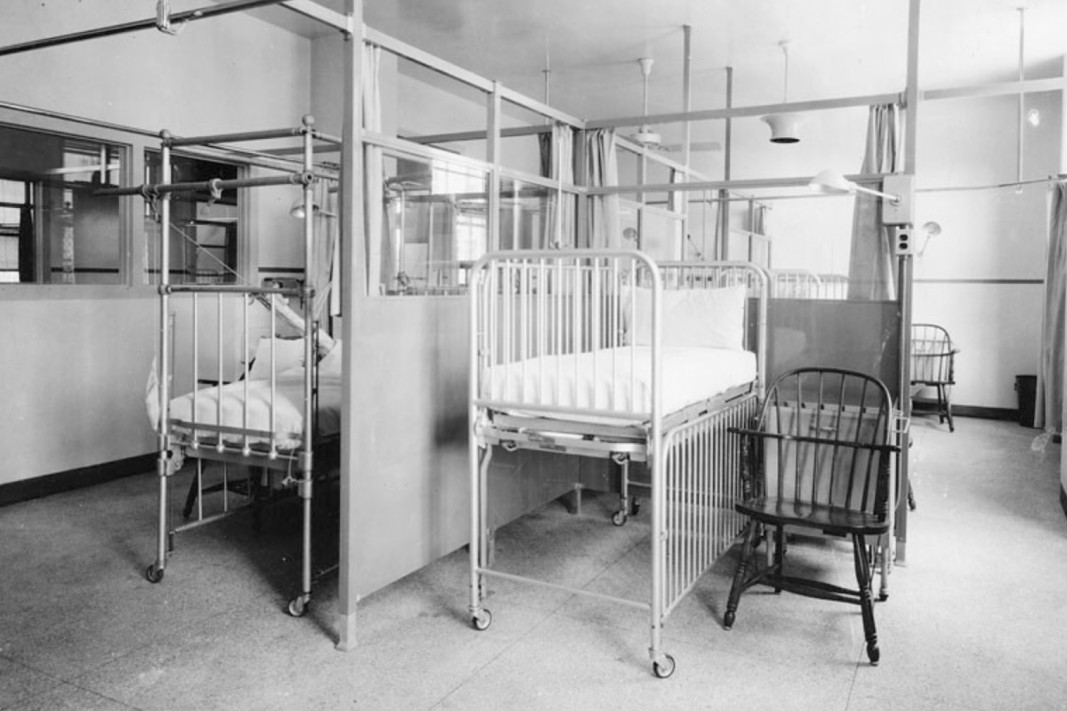
The first children’s clinic in the U.S. associated with a medical school, it continued pioneering medical care across its history. More recently, the Foundation helped integrate mental health services for postpartum mothers into pediatric care.
1920
s
The Strauses began funding the Harriet Lane Home for Invalid Children at Johns Hopkins within about a decade of the clinic’s opening in 1912, even before the Foundation’s incorporation.
The first children’s clinic in the U.S. associated with a medical school, it continued pioneering medical care across its history. More recently, the Foundation helped integrate mental health services for postpartum mothers into pediatric care.
1920
s
The Strauses began funding the Harriet Lane Home for Invalid Children at Johns Hopkins within about a decade of the clinic’s opening in 1912, even before the Foundation’s incorporation.
The first children’s clinic in the U.S. associated with a medical school, it continued pioneering medical care across its history. More recently, the Foundation helped integrate mental health services for postpartum mothers into pediatric care.
1946
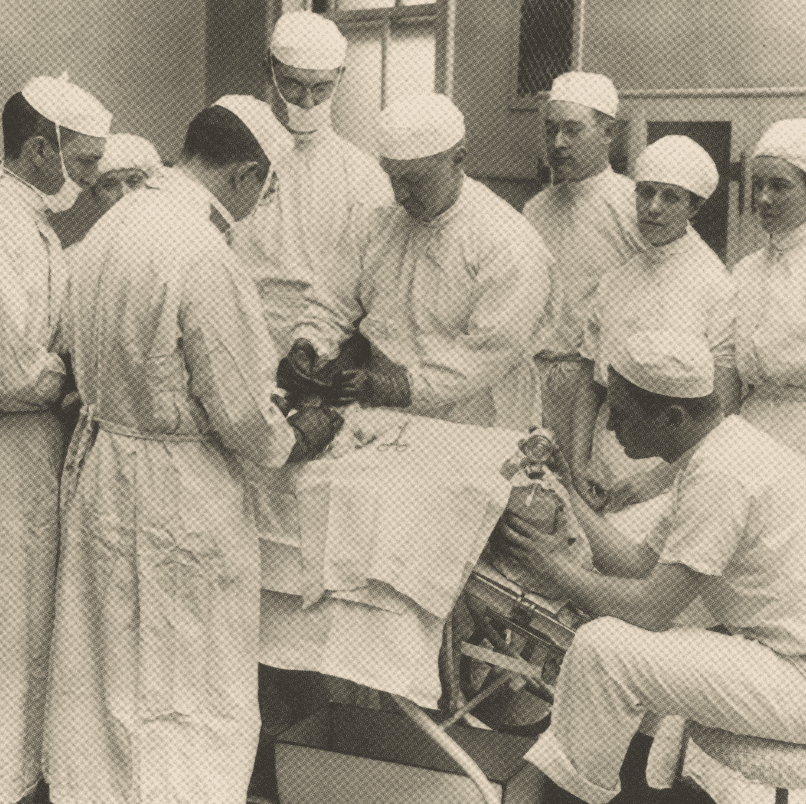
With a $100,000 gift, the Straus Foundation funded an entire floor of operating rooms in a new surgical building at Johns Hopkins Hospital. This was the first of dozens of gifts the Foundation made to Johns Hopkins University and Medicine, supporting facilities, research and local outreach.

1946
With a $100,000 gift, the Straus Foundation funded an entire floor of operating rooms in a new surgical building at Johns Hopkins Hospital. This was the first of dozens of gifts the Foundation made to Johns Hopkins University and Medicine, supporting facilities, research and local outreach.
1946
With a $100,000 gift, the Straus Foundation funded an entire floor of operating rooms in a new surgical building at Johns Hopkins Hospital. This was the first of dozens of gifts the Foundation made to Johns Hopkins University and Medicine, supporting facilities, research and local outreach.
1983
The Foundation supported the creation of new Planned Parenthood clinics in Baltimore, a gift that launched an increasing focus on reproductive health.
Over the years, additional support to the organization bolstered a variety of needs, including deficit funding, emergency contraception, teen-focused programming and more.

1983
The Foundation supported the creation of new Planned Parenthood clinics in Baltimore, a gift that launched an increasing focus on reproductive health.
Over the years, additional support to the organization bolstered a variety of needs, including deficit funding, emergency contraception, teen-focused programming and more.
1983
The Foundation supported the creation of new Planned Parenthood clinics in Baltimore, a gift that launched an increasing focus on reproductive health.
Over the years, additional support to the organization bolstered a variety of needs, including deficit funding, emergency contraception, teen-focused programming and more.
Advancing the legacy.

Planned Parenthood’s roots in Baltimore stretch back to 1927 and the founding of the Bureau for Contraceptive Advice, which offered birth control to married women looking to space their pregnancies or limit their family’s size. In 1942, the Bureau’s name changed to Planned Parenthood of Maryland. While the Foundation’s records don’t include support for this work, Lillie Straus wrote checks to the initiative.
Advancing the legacy.
Planned Parenthood’s roots in Baltimore stretch back to 1927 and the founding of the Bureau for Contraceptive Advice, which offered birth control to married women looking to space their pregnancies or limit their family’s size. In 1942, the Bureau’s name changed to Planned Parenthood of Maryland. While the Foundation’s records don’t include support for this work, Lillie Straus wrote checks to the initiative.
Advancing the legacy.
Planned Parenthood’s roots in Baltimore stretch back to 1927 and the founding of the Bureau for Contraceptive Advice, which offered birth control to married women looking to space their pregnancies or limit their family’s size. In 1942, the Bureau’s name changed to Planned Parenthood of Maryland. While the Foundation’s records don’t include support for this work, Lillie Straus wrote checks to the initiative.
1991
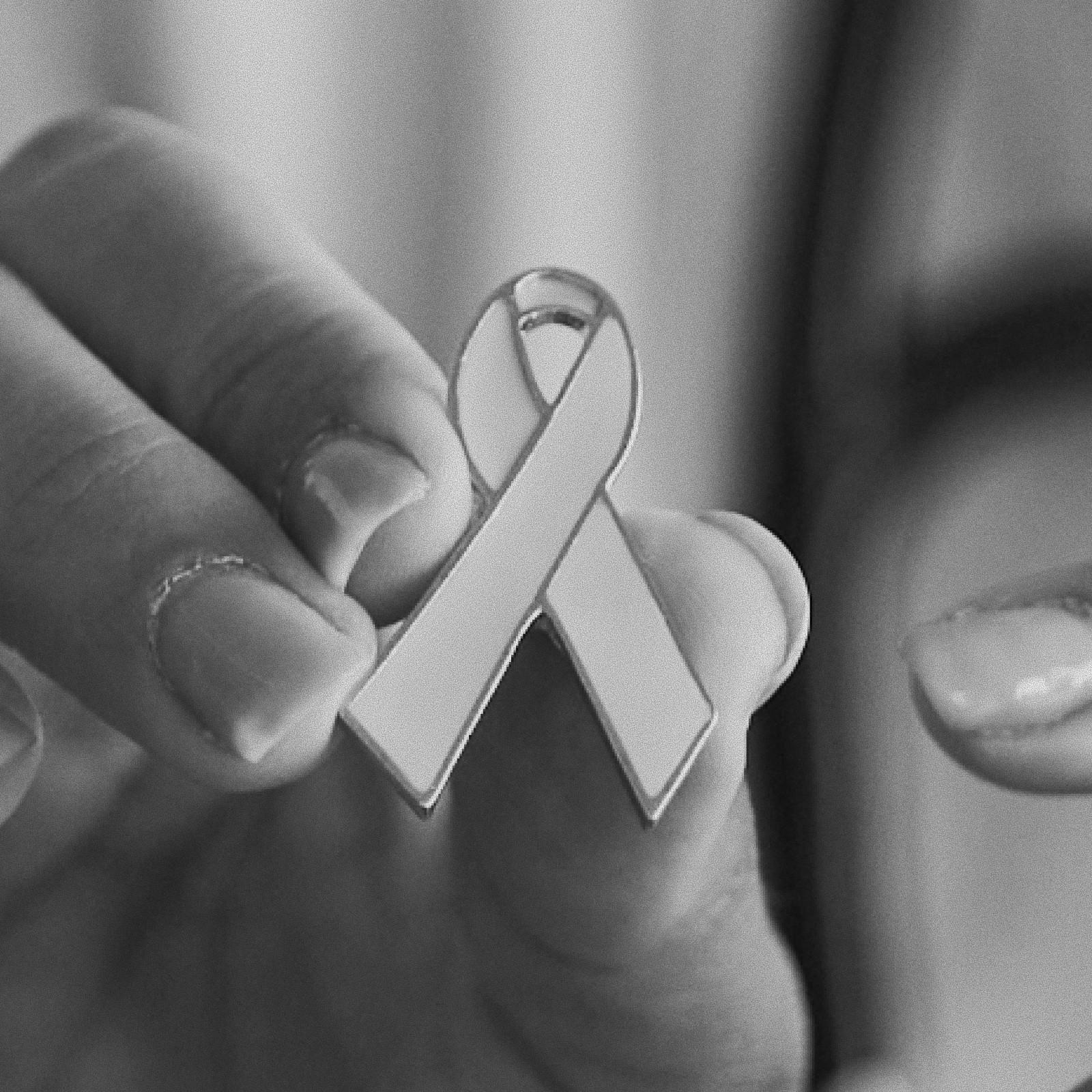
When the Lombardi Cancer Research Center launched a new breast cancer prevention program with an emphasis on cultural sensitivity for patients, the Foundation jumped in with early support. Over the next four years, we expanded that support, then provided a challenge grant that helped attract national philanthropic support.
1991
When the Lombardi Cancer Research Center launched a new breast cancer prevention program with an emphasis on cultural sensitivity for patients, the Foundation jumped in with early support. Over the next four years, we expanded that support, then provided a challenge grant that helped attract national philanthropic support.
1991
When the Lombardi Cancer Research Center launched a new breast cancer prevention program with an emphasis on cultural sensitivity for patients, the Foundation jumped in with early support. Over the next four years, we expanded that support, then provided a challenge grant that helped attract national philanthropic support.
1992
The Foundation’s initial support for the National Foundation for Jewish Genetic Diseases evolved into an annual commitment that lasted for nearly a decade.
This work supported a broad effort to test for Tay-Sachs, a rare and typically fatal disorder, and other inheritable diseases.

1992
The Foundation’s initial support for the National Foundation for Jewish Genetic Diseases evolved into an annual commitment that lasted for nearly a decade.
This work supported a broad effort to test for Tay-Sachs, a rare and typically fatal disorder, and other inheritable diseases.
1992
The Foundation’s initial support for the National Foundation for Jewish Genetic Diseases evolved into an annual commitment that lasted for nearly a decade.
This work supported a broad effort to test for Tay-Sachs, a rare and typically fatal disorder, and other inheritable diseases.

1992
Learning hard lessons.
The Foundation supported the expansion of a teen pregnancy-prevention program centered on Norplant, a then-new, long-term, reversible contraceptive. The work became massively controversial. Providers were not sufficiently trained in implanting or removing the device, in recognizing its side effects, or in cultural competence. And questions arose around how the project engaged with teens. This was a lesson in risk-taking—and failure.
years
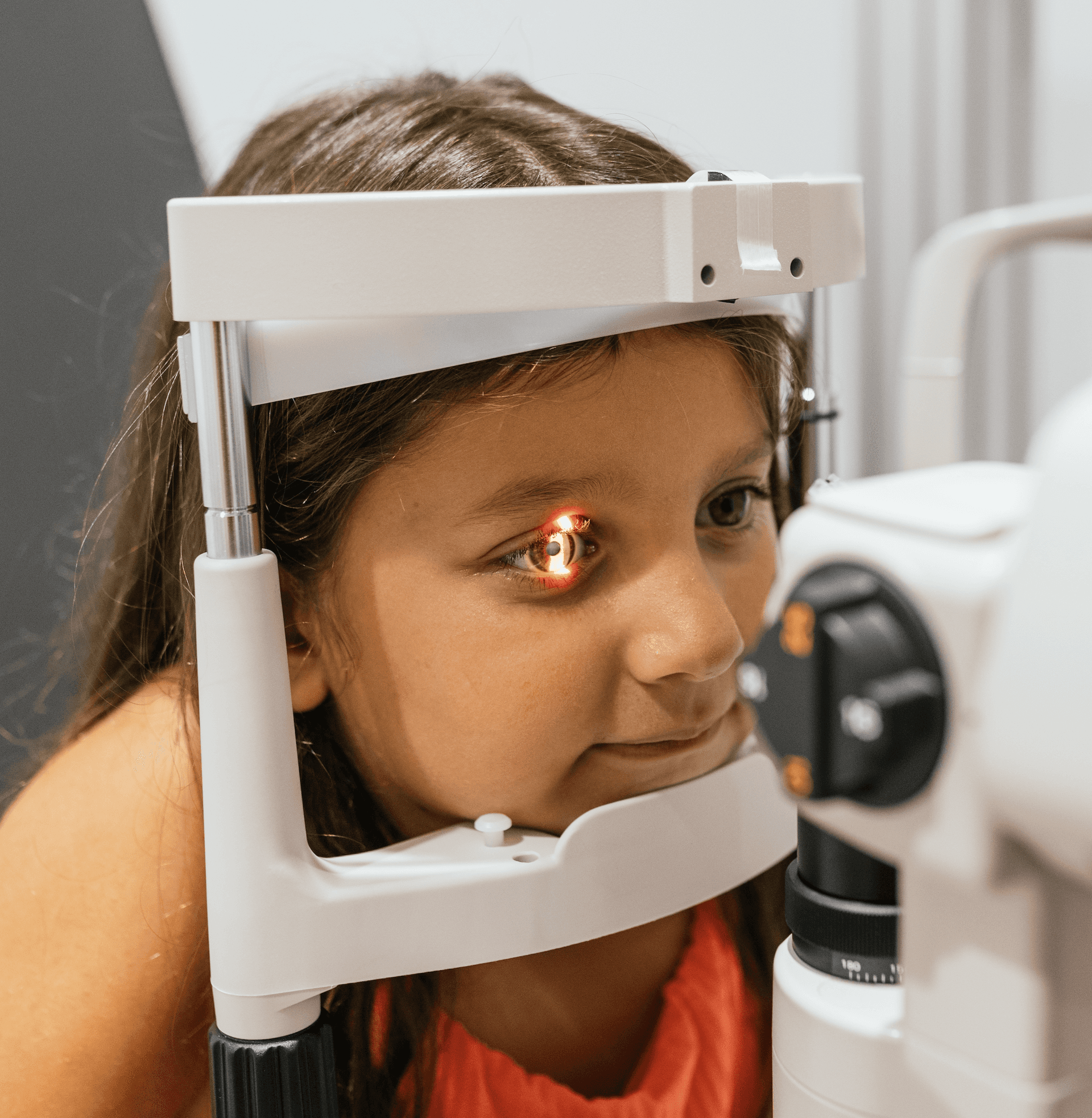
Just over four decades after Aaron Straus lost his sight, the Foundation helped the Dana Center for Preventive Ophthalmology take glaucoma screenings into the community, reaching churches, community centers and neighborhoods, to flag those at risk for these damaging eye diseases.
1992
Learning hard lessons.
The Foundation supported the expansion of a teen pregnancy-prevention program centered on Norplant, a then-new, long-term, reversible contraceptive. The work became massively controversial. Providers were not sufficiently trained in implanting or removing the device, in recognizing its side effects, or in cultural competence. And questions arose around how the project engaged with teens. This was a lesson in risk-taking—and failure.
years
Just over four decades after Aaron Straus lost his sight, the Foundation helped the Dana Center for Preventive Ophthalmology take glaucoma screenings into the community, reaching churches, community centers and neighborhoods, to flag those at risk for these damaging eye diseases.
1992
Learning hard lessons.
The Foundation supported the expansion of a teen pregnancy-prevention program centered on Norplant, a then-new, long-term, reversible contraceptive. The work became massively controversial. Providers were not sufficiently trained in implanting or removing the device, in recognizing its side effects, or in cultural competence. And questions arose around how the project engaged with teens. This was a lesson in risk-taking—and failure.
years
Just over four decades after Aaron Straus lost his sight, the Foundation helped the Dana Center for Preventive Ophthalmology take glaucoma screenings into the community, reaching churches, community centers and neighborhoods, to flag those at risk for these damaging eye diseases.
1992
Shining a light.
The Health Education Resource Organization (HERO) was the first nonprofit offering public service announcements about HIV and AIDS on national programs. By helping to bring trusted information about the virus directly to communities, the Foundation worked to illuminate a vital issue.

1993
Advocacy matters.
The Foundation’s 1993 support for Maryland Against Handgun Abuse (now known as CeaseFire) was an important step into the policy arena. In following years, the Foundation continued to back the organization’s gun-control efforts, including by supporting youth-focused initiatives.
Six years later, recognizing the importance of policy change in driving broad public health, the Foundation provided startup funding for Maryland Citizens’ Health Initiative (now Maryland Healthcare for All), which focuses on advancing health equity and expanding access to health care; our support continues through today.

1993
Advocacy matters.
The Foundation’s 1993 support for Maryland Against Handgun Abuse (now known as CeaseFire) was an important step into the policy arena. In following years, the Foundation continued to back the organization’s gun-control efforts, including by supporting youth-focused initiatives.
Six years later, recognizing the importance of policy change in driving broad public health, the Foundation provided startup funding for Maryland Citizens’ Health Initiative (now Maryland Healthcare for All), which focuses on advancing health equity and expanding access to health care; our support continues through today.
1993
Advocacy matters.
The Foundation’s 1993 support for Maryland Against Handgun Abuse (now known as CeaseFire) was an important step into the policy arena. In following years, the Foundation continued to back the organization’s gun-control efforts, including by supporting youth-focused initiatives.
Six years later, recognizing the importance of policy change in driving broad public health, the Foundation provided startup funding for Maryland Citizens’ Health Initiative (now Maryland Healthcare for All), which focuses on advancing health equity and expanding access to health care; our support continues through today.
1994
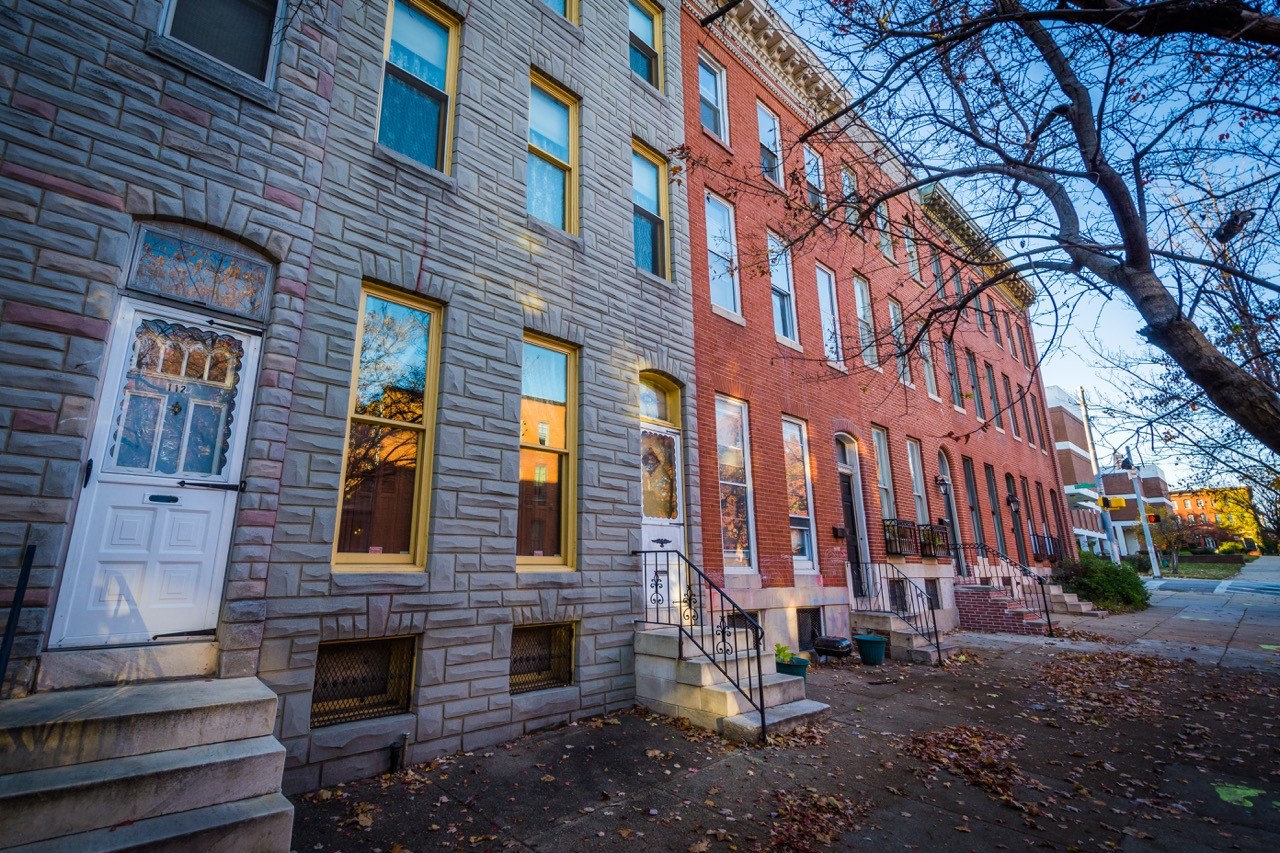
The Foundation made a significant commitment of $100,000 to the Coalition for a Lead-Safe Environment.
Baltimore was the first U.S. city to ban lead paint in residential housing, 27 years before a federal prohibition in 1978. But those bans didn’t eliminate preexisting conditions across our housing stock, or the impact of those hazards on the health of children and families.
1994
The Foundation made a significant commitment of $100,000 to the Coalition for a Lead-Safe Environment.
Baltimore was the first U.S. city to ban lead paint in residential housing, 27 years before a federal prohibition in 1978. But those bans didn’t eliminate preexisting conditions across our housing stock, or the impact of those hazards on the health of children and families.
1994
The Foundation made a significant commitment of $100,000 to the Coalition for a Lead-Safe Environment.
Baltimore was the first U.S. city to ban lead paint in residential housing, 27 years before a federal prohibition in 1978. But those bans didn’t eliminate preexisting conditions across our housing stock, or the impact of those hazards on the health of children and families.
1995
No Inscriptions.
Across a century, the Foundation’s contributions to capital campaigns have helped to change our city’s landscape and elevate the health care that local institutions can provide. But you won’t find the Foundation’s name carved into any walls.
Some of the phenomenal places receiving our capital contributions:
Mount Washington Pediatric Hospital
Sheppard Pratt
National Rehabilitation Hospital
Bon Secours Baltimore Health System
Kennedy Krieger Institute
Johns Hopkins University and Medicine
Hebrew Home of Greater Washington
Lifebridge Health
University of Maryland School of Nursing
Sinai Hospital
Schneider Children’s Medical Center of Israel
1995
No Inscriptions.
Across a century, the Foundation’s contributions to capital campaigns have helped to change our city’s landscape and elevate the health care that local institutions can provide. But you won’t find the Foundation’s name carved into any walls.
Some of the phenomenal places receiving our capital contributions:
Mount Washington Pediatric Hospital
Sheppard Pratt
National Rehabilitation Hospital
Bon Secours Baltimore Health System
Kennedy Krieger Institute
Johns Hopkins University and Medicine
Hebrew Home of Greater Washington
Lifebridge Health
University of Maryland School of Nursing
Sinai Hospital
Schneider Children’s Medical Center of Israel
1995
No Inscriptions.
Across a century, the Foundation’s contributions to capital campaigns have helped to change our city’s landscape and elevate the health care that local institutions can provide. But you won’t find the Foundation’s name carved into any walls.
Some of the phenomenal places receiving our capital contributions:
Mount Washington Pediatric Hospital
Sheppard Pratt
National Rehabilitation Hospital
Bon Secours Baltimore Health System
Kennedy Krieger Institute
Johns Hopkins University and Medicine
Hebrew Home of Greater Washington
Lifebridge Health
University of Maryland School of Nursing
Sinai Hospital
Schneider Children’s Medical Center of Israel
1997
“The Straus Foundation, since its inception, has sometimes bravely, but always consistently, been in the forefront of services providing reproductive health, contraception, family planning, and … the prevention of teenage pregnancy.”
– Internal report framing the Foundation’s support for reproductive health.
That year, the Foundation leaned in to make two major grants related to teenage pregnancy:
$
over three years to help replicate a teen-pregnancy prevention initiative that had been successful in New York City. The holistic approach developed by Dr. Michael A. Carrera and Children’s Aid, supported in Baltimore by the Health Department and a national foundation, worked to empower young people, starting as pre-teens.
$
over three years to the Teen Incentive Program to reach 600 high-risk teenage girls at three Baltimore City-based clinics. This comprehensive pregnancy-prevention approach included clinical services, educational activities and a research-based evaluation.
1997
“The Straus Foundation, since its inception, has sometimes bravely, but always consistently, been in the forefront of services providing reproductive health, contraception, family planning, and … the prevention of teenage pregnancy.”
– Internal report framing the Foundation’s support for reproductive health.
That year, the Foundation leaned in to make two major grants related to teenage pregnancy:
$
over three years to help replicate a teen-pregnancy prevention initiative that had been successful in New York City. The holistic approach developed by Dr. Michael A. Carrera and Children’s Aid, supported in Baltimore by the Health Department and a national foundation, worked to empower young people, starting as pre-teens.
$
over three years to the Teen Incentive Program to reach 600 high-risk teenage girls at three Baltimore City-based clinics. This comprehensive pregnancy-prevention approach included clinical services, educational activities and a research-based evaluation.
1997
“The Straus Foundation, since its inception, has sometimes bravely, but always consistently, been in the forefront of services providing reproductive health, contraception, family planning, and … the prevention of teenage pregnancy.”
– Internal report framing the Foundation’s support for reproductive health.
That year, the Foundation leaned in to make two major grants related to teenage pregnancy:
$
over three years to help replicate a teen-pregnancy prevention initiative that had been successful in New York City. The holistic approach developed by Dr. Michael A. Carrera and Children’s Aid, supported in Baltimore by the Health Department and a national foundation, worked to empower young people, starting as pre-teens.
$
over three years to the Teen Incentive Program to reach 600 high-risk teenage girls at three Baltimore City-based clinics. This comprehensive pregnancy-prevention approach included clinical services, educational activities and a research-based evaluation.
1999
Loyola College Maryland received more than $170,000 to support a language-intervention program for children with Down syndrome; the program also disseminated key findings by training graduate students.

1999
Loyola College Maryland received more than $170,000 to support a language-intervention program for children with Down syndrome; the program also disseminated key findings by training graduate students.
1999
Loyola College Maryland received more than $170,000 to support a language-intervention program for children with Down syndrome; the program also disseminated key findings by training graduate students.
2000
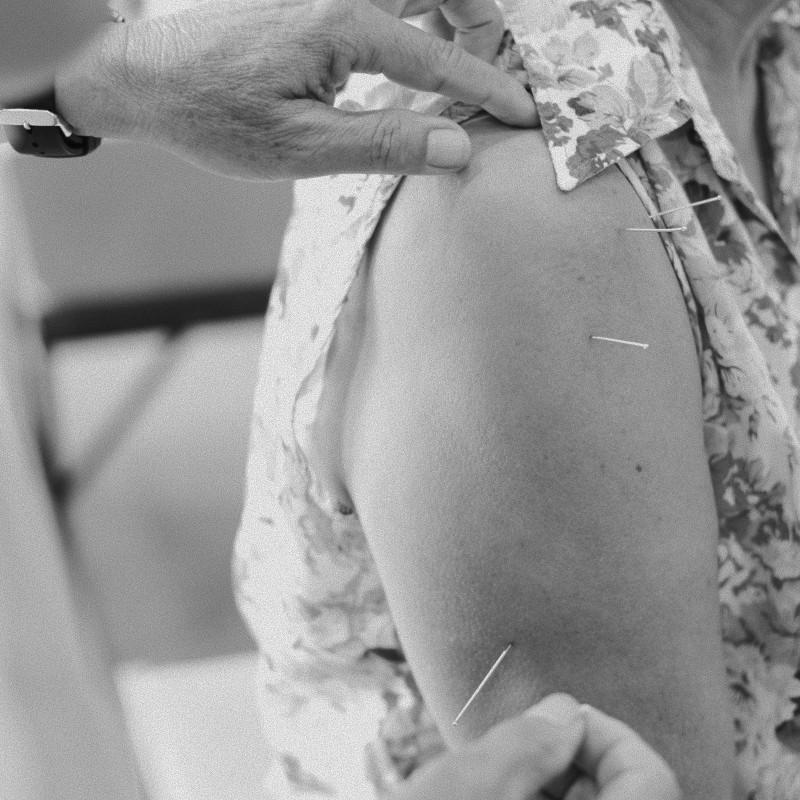
Traditional Acupuncture Institute — now known as Acupuncture & Integrative Medicine of Maryland – received a significant grant of $300,000 to help train providers in complementary medicine protocols.
2000
Traditional Acupuncture Institute — now known as Acupuncture & Integrative Medicine of Maryland – received a significant grant of $300,000 to help train providers in complementary medicine protocols.
2000
Traditional Acupuncture Institute — now known as Acupuncture & Integrative Medicine of Maryland – received a significant grant of $300,000 to help train providers in complementary medicine protocols.
2004
Healthier Hospitals, Healthier Neighborhoods

With the Foundation’s support, the University of Maryland School of Nursing led the launch of Hospitals for a Healthy Environment in 2005. The initiative focused on sustainable practices within facilities and better management of chemicals to help protect healthcare workers and neighboring communities alike. Over several years, the Foundation helped fund the work, including through a grant for integrative pest management in healthcare facilities.
2004
Healthier Hospitals, Healthier Neighborhoods
With the Foundation’s support, the University of Maryland School of Nursing led the launch of Hospitals for a Healthy Environment in 2005. The initiative focused on sustainable practices within facilities and better management of chemicals to help protect healthcare workers and neighboring communities alike. Over several years, the Foundation helped fund the work, including through a grant for integrative pest management in healthcare facilities.
2004
Healthier Hospitals, Healthier Neighborhoods
With the Foundation’s support, the University of Maryland School of Nursing led the launch of Hospitals for a Healthy Environment in 2005. The initiative focused on sustainable practices within facilities and better management of chemicals to help protect healthcare workers and neighboring communities alike. Over several years, the Foundation helped fund the work, including through a grant for integrative pest management in healthcare facilities.
2004
The Straus Foundation was a founding—and ongoing—funder of the Baltimore Healthcare Coalition, an employer-driven group to grow the local healthcare workforce.
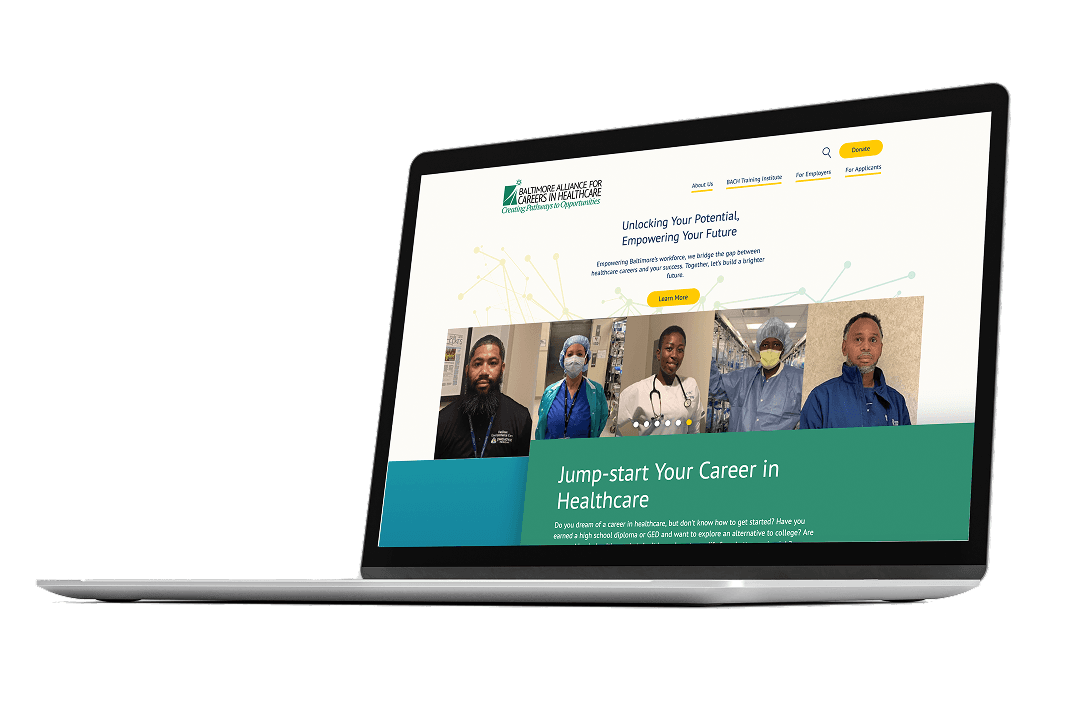
The group, now known as the Baltimore Alliance for Careers in Healthcare or BACH, brought a comprehensive, data-driven, and collaborative view of the sector’s workforce needs, while helping to build the pool of local talent ready for immediate jobs and long-term careers.
2005
Prioritizing Mental Health
For more than two decades, the Foundation has taken a leading role in piloting and expanding mental health services for children, families and individuals across Baltimore City.
Supporting this work requires a wide variety of efforts:
A pilot project identifying behavioral health concerns for children in three Head Start centers;
Circuit court case management that provided treatment for people with mental health needs;
Expanded in-school mental health services for children;
Research and advocacy around Medicaid coverage for evidence-based child mental health care;
A merger of mental health and primary care in an urban pediatric practice;
Support for a mental health pilot project at a women’s detention center;
New plans to pay for mental health support for families whose income falls in the “grey area”—too high for Medicaid but too low to afford private therapy;
Counseling for unaccompanied minors arriving in the Baltimore area; and
A WARMLine that offers a free, anonymous and confidential conversation with a mental health professional, in English or Spanish.
Partners in these efforts include:
Baltimore Mental Health Systems
University of Maryland School of Medicine
Maryland Disability Law Center
Johns Hopkins Medicine
Baltimore Community Foundation
Nolan Robinson Foundation
Pro Bono Counseling
and more…
2005
Prioritizing Mental Health
For more than two decades, the Foundation has taken a leading role in piloting and expanding mental health services for children, families and individuals across Baltimore City.
Supporting this work requires a wide variety of efforts:
A pilot project identifying behavioral health concerns for children in three Head Start centers;
Circuit court case management that provided treatment for people with mental health needs;
Expanded in-school mental health services for children;
Research and advocacy around Medicaid coverage for evidence-based child mental health care;
A merger of mental health and primary care in an urban pediatric practice;
Support for a mental health pilot project at a women’s detention center;
New plans to pay for mental health support for families whose income falls in the “grey area”—too high for Medicaid but too low to afford private therapy;
Counseling for unaccompanied minors arriving in the Baltimore area; and
A WARMLine that offers a free, anonymous and confidential conversation with a mental health professional, in English or Spanish.
Partners in these efforts include:
Baltimore Mental Health Systems
University of Maryland School of Medicine
Maryland Disability Law Center
Johns Hopkins Medicine
Baltimore Community Foundation
Nolan Robinson Foundation
Pro Bono Counseling
and more…
2005
Prioritizing Mental Health
For more than two decades, the Foundation has taken a leading role in piloting and expanding mental health services for children, families and individuals across Baltimore City.
Supporting this work requires a wide variety of efforts:
A pilot project identifying behavioral health concerns for children in three Head Start centers;
Circuit court case management that provided treatment for people with mental health needs;
Expanded in-school mental health services for children;
Research and advocacy around Medicaid coverage for evidence-based child mental health care;
A merger of mental health and primary care in an urban pediatric practice;
Support for a mental health pilot project at a women’s detention center;
New plans to pay for mental health support for families whose income falls in the “grey area”—too high for Medicaid but too low to afford private therapy;
Counseling for unaccompanied minors arriving in the Baltimore area; and
A WARMLine that offers a free, anonymous and confidential conversation with a mental health professional, in English or Spanish.
Partners in these efforts include:
Baltimore Mental Health Systems
University of Maryland School of Medicine
Maryland Disability Law Center
Johns Hopkins Medicine
Baltimore Community Foundation
Nolan Robinson Foundation
Pro Bono Counseling
and more…
2005
Pregnant and Postpartum Support
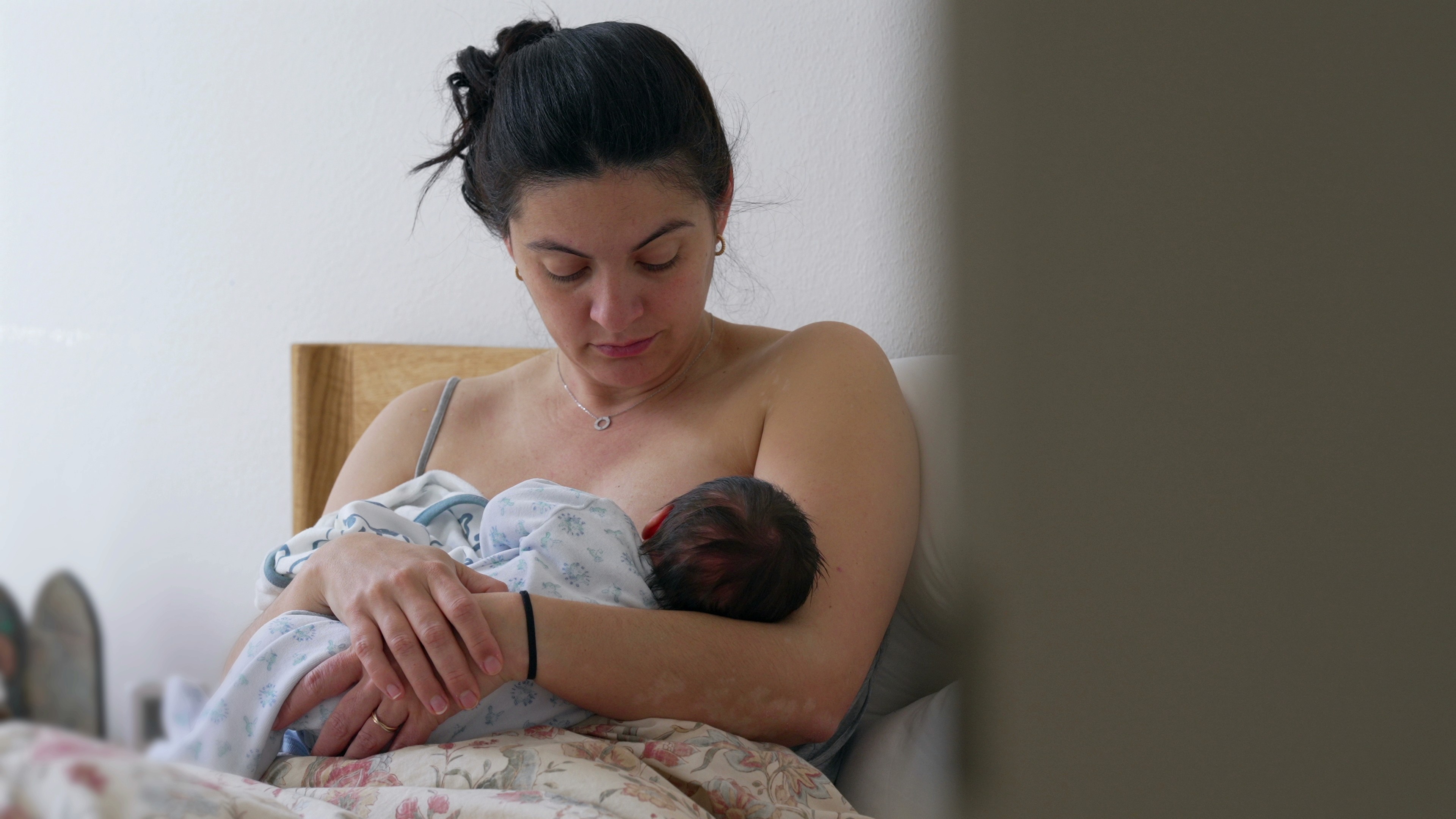
Straus Foundation support for a pilot at Sinai Hospital allowed healthcare providers to focus on a parent’s postpartum depression, starting from the baby’s first pediatric visit. In 2006, we also began multi-year support for a Johns Hopkins Bayview Medical Center program that offered post-delivery assessments of babies born to women with substance-use, enabling additional family-planning options.
2005
Pregnant and Postpartum Support
Straus Foundation support for a pilot at Sinai Hospital allowed healthcare providers to focus on a parent’s postpartum depression, starting from the baby’s first pediatric visit. In 2006, we also began multi-year support for a Johns Hopkins Bayview Medical Center program that offered post-delivery assessments of babies born to women with substance-use, enabling additional family-planning options.
2005
Pregnant and Postpartum Support
Straus Foundation support for a pilot at Sinai Hospital allowed healthcare providers to focus on a parent’s postpartum depression, starting from the baby’s first pediatric visit. In 2006, we also began multi-year support for a Johns Hopkins Bayview Medical Center program that offered post-delivery assessments of babies born to women with substance-use, enabling additional family-planning options.
2007
Sometimes medical care is not enough.
A $150,000 grant to Lifebridge Health helped support community-based initiatives that tied social services into the delivery of medical care, with a focus on the broad social determinants of health.
2007
Sometimes medical care is not enough.
A $150,000 grant to Lifebridge Health helped support community-based initiatives that tied social services into the delivery of medical care, with a focus on the broad social determinants of health.
2010
When disaster strikes…
When Haiti was devastated by a catastrophic 7.0 magnitude earthquake, the Straus Foundation supported the island’s recovery through Doctors Without Borders.

2010
When disaster strikes…
When Haiti was devastated by a catastrophic 7.0 magnitude earthquake, the Straus Foundation supported the island’s recovery through Doctors Without Borders.
2010
When disaster strikes…
When Haiti was devastated by a catastrophic 7.0 magnitude earthquake, the Straus Foundation supported the island’s recovery through Doctors Without Borders.
2013
A Better Welcome to Baltimore
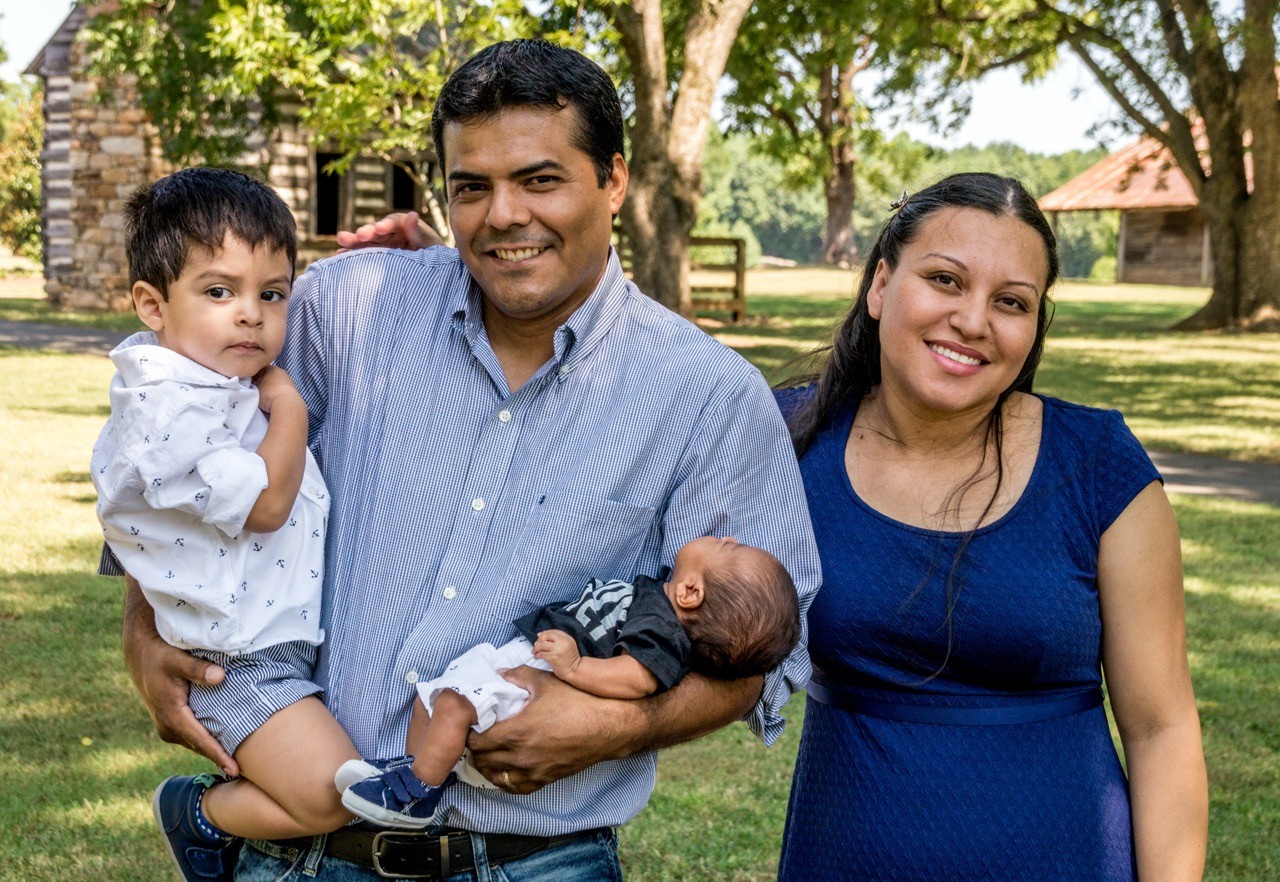
Centro SOL was founded in 2013 by passionate physicians responding to healthcare needs of a growing Latino population in Baltimore City.
The Straus Foundation has been with Centro SOL from the beginning, supporting the effort to promote equity in health and opportunity for Latinos, alongside Johns Hopkins Institutions and local communities. Through this and other organizations, we are committed to providing health care in culturally informed ways
2013
A Better Welcome to Baltimore
Centro SOL was founded in 2013 by passionate physicians responding to healthcare needs of a growing Latino population in Baltimore City.
The Straus Foundation has been with Centro SOL from the beginning, supporting the effort to promote equity in health and opportunity for Latinos, alongside Johns Hopkins Institutions and local communities. Through this and other organizations, we are committed to providing health care in culturally informed ways
2013
A Better Welcome to Baltimore
Centro SOL was founded in 2013 by passionate physicians responding to healthcare needs of a growing Latino population in Baltimore City.
The Straus Foundation has been with Centro SOL from the beginning, supporting the effort to promote equity in health and opportunity for Latinos, alongside Johns Hopkins Institutions and local communities. Through this and other organizations, we are committed to providing health care in culturally informed ways
2020
The premise is simple: It’s a lot harder to learn when you can’t see the board at the front of the class or the book in your hands.
That’s why we provided a $100K grant to extend Vision to Learn, a program that offers vision screenings, eye exams and free glasses to elementary and middle school students across Baltimore City.

2020
The premise is simple: It’s a lot harder to learn when you can’t see the board at the front of the class or the book in your hands.
That’s why we provided a $100K grant to extend Vision to Learn, a program that offers vision screenings, eye exams and free glasses to elementary and middle school students across Baltimore City.
2020
The premise is simple: It’s a lot harder to learn when you can’t see the board at the front of the class or the book in your hands.
That’s why we provided a $100K grant to extend Vision to Learn, a program that offers vision screenings, eye exams and free glasses to elementary and middle school students across Baltimore City.
2023
Emergency Contraception on Every Campus
In 2023, Maryland passed a law to increase access to emergency contraception on public university campuses, and followed with similar legislation for the state’s community colleges two years later. The Foundation leaned in with support in both cases, bolstering peer-to-peer distribution networks and ensuring vending machines are stocked with over-the-counter medications and other personal health care products.

2023
Emergency Contraception on Every Campus
In 2023, Maryland passed a law to increase access to emergency contraception on public university campuses, and followed with similar legislation for the state’s community colleges two years later. The Foundation leaned in with support in both cases, bolstering peer-to-peer distribution networks and ensuring vending machines are stocked with over-the-counter medications and other personal health care products.
2023
Emergency Contraception on Every Campus
In 2023, Maryland passed a law to increase access to emergency contraception on public university campuses, and followed with similar legislation for the state’s community colleges two years later. The Foundation leaned in with support in both cases, bolstering peer-to-peer distribution networks and ensuring vending machines are stocked with over-the-counter medications and other personal health care products.
2023
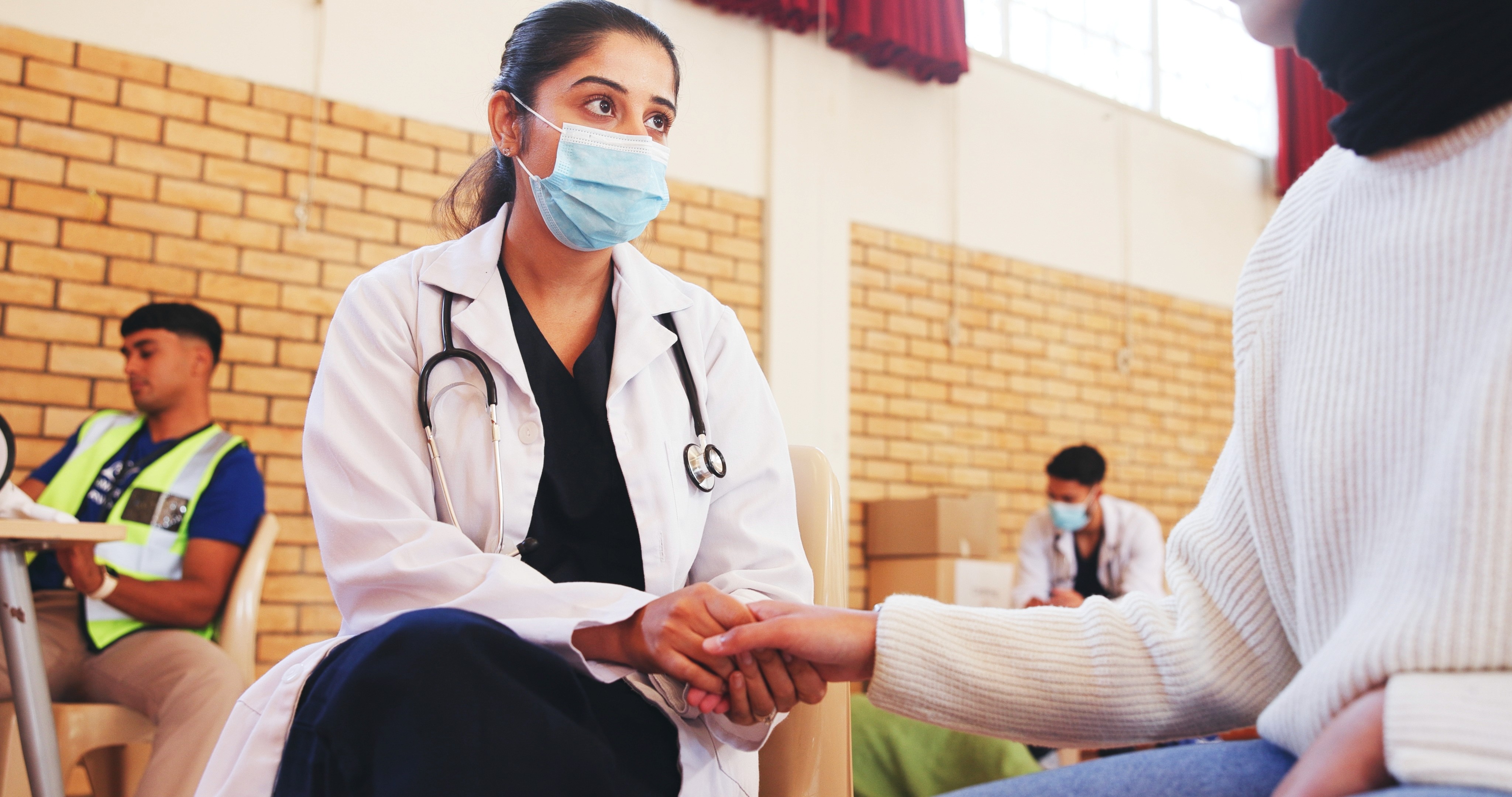
As part of the Public Justice Center’s work to expand access to health care and safety net services for Marylanders struggling to make ends meet, the Foundation supported a health and benefits equity project, specifically broadening the reach of community health workers for low-income Marylanders, including those who do not qualify for health insurance due to their immigration status.
2023
Data shows that doulas—trained, non-clinical professionals who can accompany pregnant women through the perinatal period—support positive birth outcomes and can address inequities in maternal and infant health.

In 2023, the Foundation partnered with MOMCares to bring doula services to underserved communities. Two years later, we worked with the Doula Alliance of Maryland to improve and expand Medicaid reimbursement and access to doulas for Black Marylanders.
2023
Data shows that doulas—trained, non-clinical professionals who can accompany pregnant women through the perinatal period—support positive birth outcomes and can address inequities in maternal and infant health.
In 2023, the Foundation partnered with MOMCares to bring doula services to underserved communities. Two years later, we worked with the Doula Alliance of Maryland to improve and expand Medicaid reimbursement and access to doulas for Black Marylanders.
2023
Data shows that doulas—trained, non-clinical professionals who can accompany pregnant women through the perinatal period—support positive birth outcomes and can address inequities in maternal and infant health.
In 2023, the Foundation partnered with MOMCares to bring doula services to underserved communities. Two years later, we worked with the Doula Alliance of Maryland to improve and expand Medicaid reimbursement and access to doulas for Black Marylanders.
2024
Breaking Down Silos of Care for Immigrants
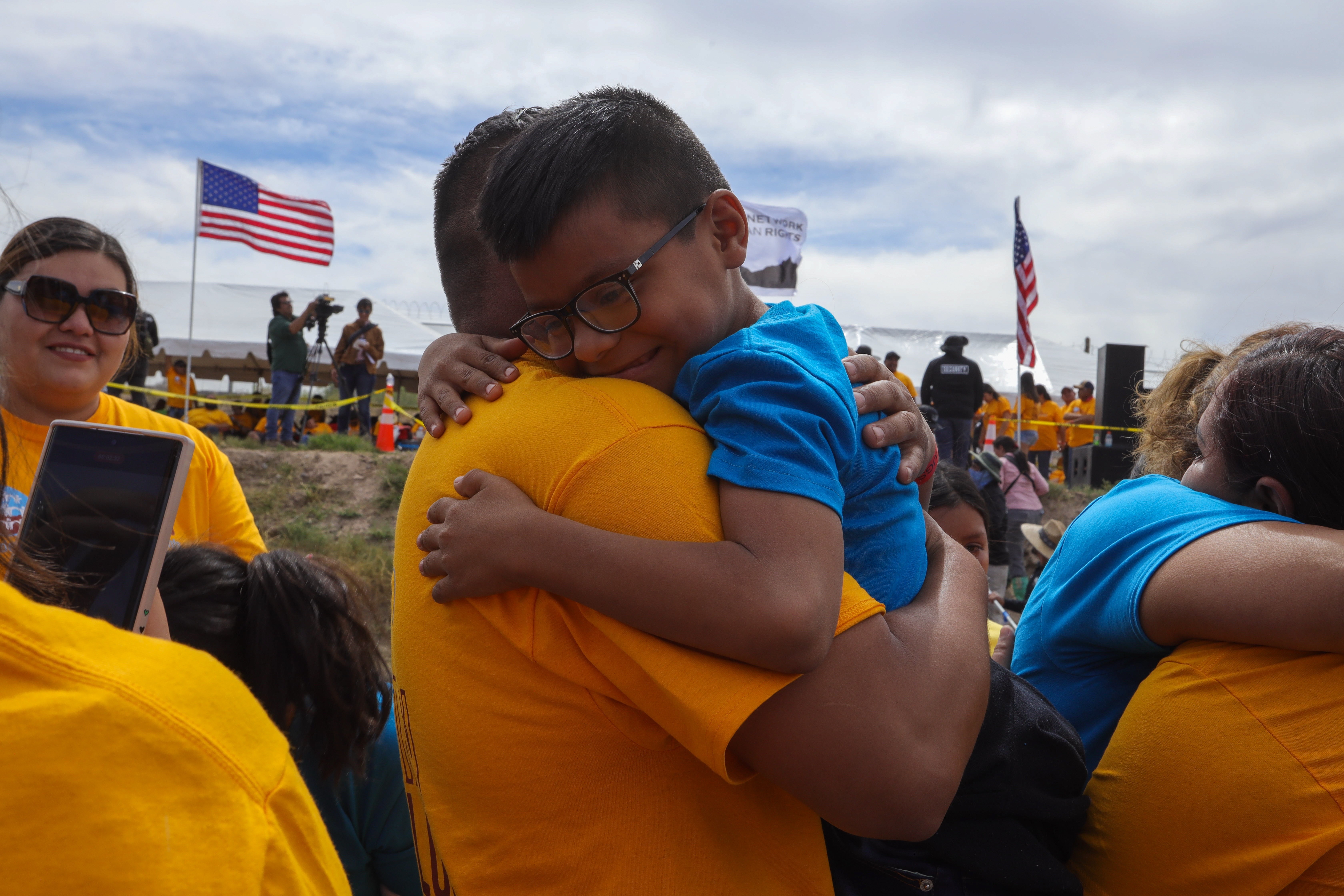
The Foundation was an original funder of the HEAL Refugee Health & Asylum Collaborative.
This innovative partnership among Johns Hopkins, the Esperanza Center, Asylee Women’s Enterprise and Loyola University Maryland broadens access to medical, forensic and legal services for those seeking refuge in the U.S. Working together, the collaborative ensures refugees escaping violence, torture and trauma receive the linguistically and culturally responsive services they need.
2024
Breaking Down Silos of Care for Immigrants
The Foundation was an original funder of the HEAL Refugee Health & Asylum Collaborative.
This innovative partnership among Johns Hopkins, the Esperanza Center, Asylee Women’s Enterprise and Loyola University Maryland broadens access to medical, forensic and legal services for those seeking refuge in the U.S. Working together, the collaborative ensures refugees escaping violence, torture and trauma receive the linguistically and culturally responsive services they need.
2024
Breaking Down Silos of Care for Immigrants
The Foundation was an original funder of the HEAL Refugee Health & Asylum Collaborative.
This innovative partnership among Johns Hopkins, the Esperanza Center, Asylee Women’s Enterprise and Loyola University Maryland broadens access to medical, forensic and legal services for those seeking refuge in the U.S. Working together, the collaborative ensures refugees escaping violence, torture and trauma receive the linguistically and culturally responsive services they need.
2025
Women’s Health Center of Maryland is a two-minute drive from the Potomac River border with West Virginia.
The clinic, which provides reproductive care, opened a few months after West Virginia enacted a near-total ban on abortions. The Foundation’s support—typically focused on Baltimore—enables the clinic’s work in this rural corner of Maryland, extending the protections and reach of quality health care available to people across our state.

NEXT UP
Opening Doors for Immigrants
NEXT UP
Opening Doors for Immigrants
NEXT UP
Opening Doors for Immigrants